Dragon Quest Series History: How Japan’s Favorite RPG Took Shape
How Yuji Horii, Akira Toriyama and Koichi Sugiyama built Dragon Quest, from the 1986 Famicom original to the HD-2D remakes and Dragon Quest XII.
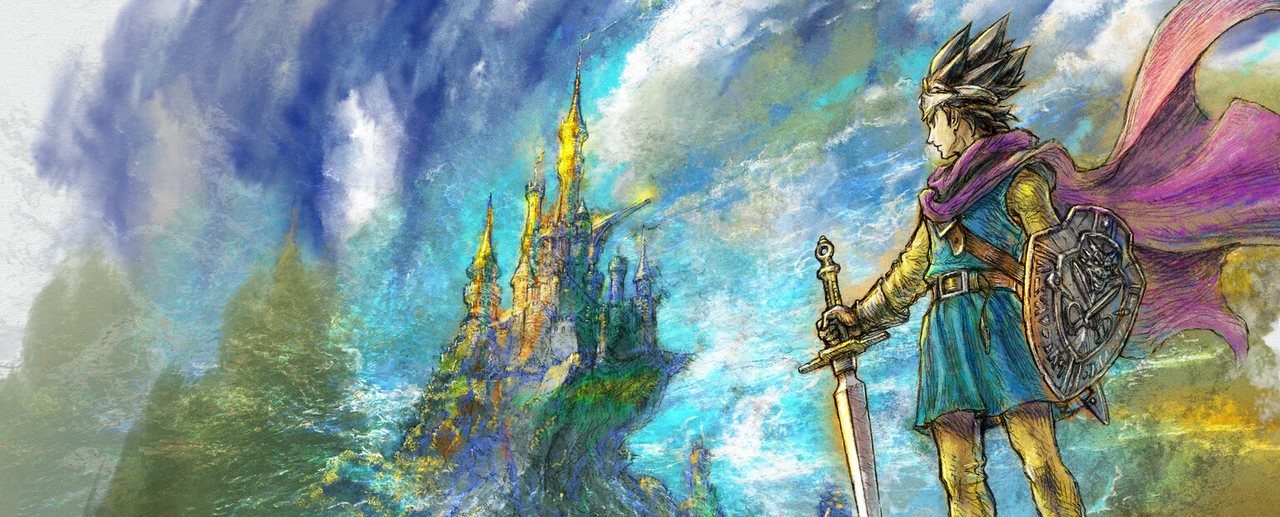
In Japan, Dragon Quest is more than a video game series. It is often described as the country’s national game, a shared cultural reference across generations, with its slimes, its level-up fanfare and its orchestral overture recognizable to millions of people who rarely play games. Yet in its first decades it was much less known in the West, where early entries were sold under a different name. This history explains how the series was born, how its trilogies fit together, and what has happened to it in the 2020s.
The Founding Team
Dragon Quest was built around three creators whose roles stayed remarkably consistent for decades:

- Yuji Horii, game designer and scenario writer, the series’ creative lead from the beginning.
- Akira Toriyama, the manga artist best known for Dragon Ball, who designed the characters and monsters. Kazuhiko Torishima recruited him to illustrate the first game, so that it would stand out from other RPGs of the time.
- Koichi Sugiyama, the composer, whose classically inspired music became inseparable from the series.
The first game was developed by Chunsoft and published by Enix. Horii admired American computer RPGs such as Ultima and Wizardry, and the goal was to bring that experience to a home console in a form that newcomers could understand. That meant a single hero, simple menus, clear goals and approachable art. In doing so, Dragon Quest became the template for the Japanese RPG tradition, as discussed in our JRPG vs. western RPG comparison.
The 1986 Debut
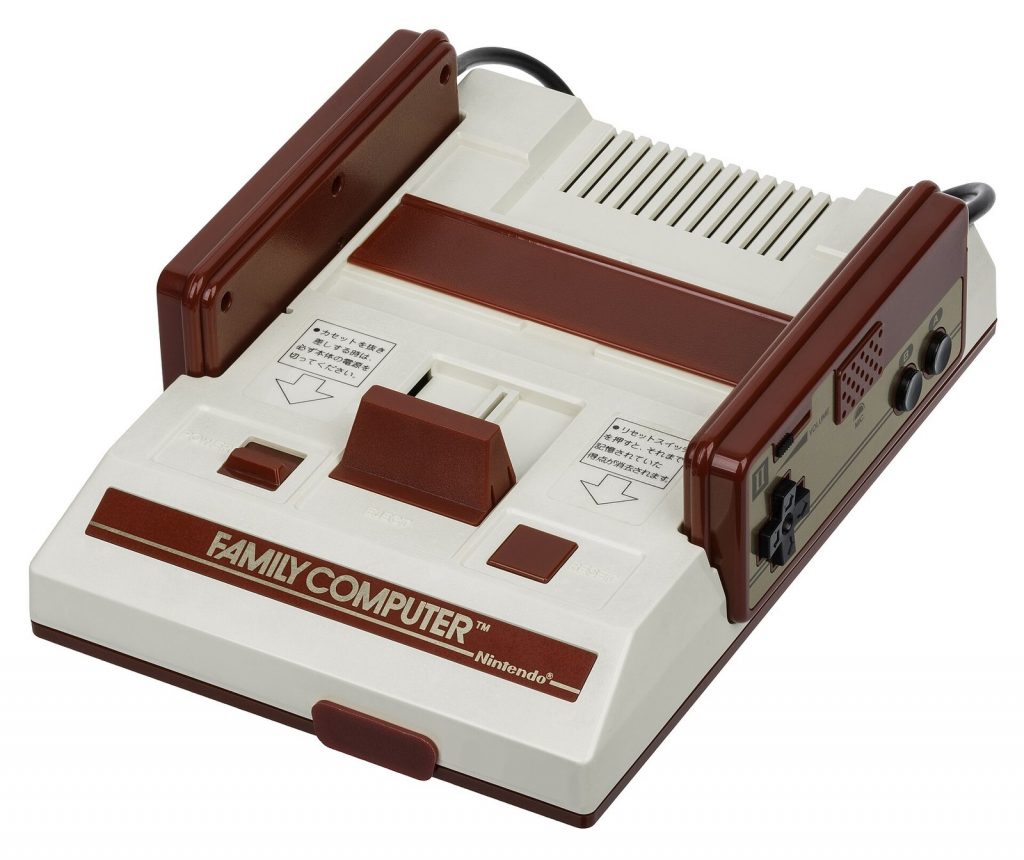
Dragon Quest was released in Japan on May 27, 1986, for the Famicom. The hero, a descendant of the legendary Erdrick (Loto in some translations), sets out to defeat the Dragonlord and rescue a princess. The game was compact by modern standards but introduced many staples: turn-based battles shown in first person, towns with shops and inns, experience levels and a gradually expanding map.
In North America, the game arrived in August 1989 as Dragon Warrior, a name used to avoid a trademark conflict with a tabletop role-playing game called DragonQuest. The western name stuck for years; Dragon Quest VIII (released in North America in 2005) was the first to use the Dragon Quest title there.
The Erdrick (Loto) Trilogy: I, II and III
The first three games form a connected story known as the Erdrick or Loto trilogy:
- Dragon Quest II (1987) follows descendants of the first game’s hero, a century later, and introduces a party of three characters.
- Dragon Quest III (1988), released on February 10, 1988, adds a party you create from classes, a day-night cycle and a class-changing system. Its twist reveals that it is a prequel: chronologically, the story runs III, I, II, and the hero of III becomes the legendary Erdrick.
Dragon Quest III was a phenomenon in Japan, selling 1.1 million cartridges in a single day. The series’ launches became events, the subject of famous stories about long lines outside shops.
The Zenithia Trilogy: IV, V and VI
The next three games form the Zenithia (Tenkū) trilogy, loosely connected by a castle in the sky.
- Dragon Quest IV (1990), the last Famicom entry, tells its story in chapters, following different characters before uniting them. Its first shipment sold out 1.3 million copies within an hour of release.
- Dragon Quest V (1992) moved to the Super Famicom and follows the hero across his entire life, from childhood through marriage and fatherhood. It also let players recruit monsters into the party, an idea that later led to the Dragon Quest Monsters spin-offs.
- Dragon Quest VI (1995), also on Super Famicom, explores parallel worlds and features a flexible job system.
The Later Mainline Games
From the PlayStation era onward, each numbered game stood alone:
| Game | Japanese release | Original platform |
|---|---|---|
| Dragon Quest VII | 2000 | PlayStation |
| Dragon Quest VIII | 2004 | PlayStation 2 |
| Dragon Quest IX | 2009 | Nintendo DS |
| Dragon Quest X | 2012 | Wii (online RPG) |
| Dragon Quest XI | 2017 | PlayStation 4 and Nintendo 3DS |
Dragon Quest VII is known for its enormous length and island-by-island structure. VIII brought the series into full 3D with cel-shaded visuals that captured Toriyama’s art, and it was the entry that finally made Dragon Quest a recognizable name in the West. IX embraced handheld multiplayer, and X is an online game that remains largely a Japan-focused experience.
Dragon Quest XI (July 2017 in Japan) is many western players’ favorite starting point. It kept classic turn-based battles, with enemies visible on the field rather than random encounters, and its Definitive Edition (XI S), released on Switch in 2019 and on PlayStation 4, Xbox One and PC in 2020, added a 2D retro mode. It had sold over 9 million copies worldwide as of September 2025.
Why Dragon Quest Matters So Much in Japan
Several factors explain the series’ unique status:
- It came first. As the first big console RPG in Japan, it taught a generation how the genre works.
- Consistency. The series evolves slowly. Turn-based combat, the slime, the inn music and the “thy” style of old-fashioned dialogue in English localizations have remained recognizable for decades. Fans know what they are getting.
- Toriyama’s art. His friendly, expressive monsters and heroes, shaped by the same hand that drew Dragon Ball, gave the series broad appeal.
- Music. Sugiyama’s scores have been performed in concert halls in Japan every year since 1987.
- Accessibility. Clear goals and readable systems made the games approachable for children and adults alike.
By 2026, the series had sold over 100 million units worldwide, counting spin-offs such as Dragon Quest Builders and the Monsters series.
The Series’ Signature Traditions
Part of Dragon Quest‘s charm is how many details have survived from game to game. Long-time fans look forward to them the way they would a familiar ritual:
- The slime. The smiling blue teardrop-shaped monster is usually among the first enemies you meet and has become the series’ mascot, with its own spin-off games and a guest appearance in Super Smash Bros. Ultimate.
- The overture and the level-up jingle. Sugiyama’s opening theme and short fanfares are instantly recognizable to fans in Japan.
- A largely silent hero. The protagonist rarely speaks, so players can project themselves into the role, even within a fixed story.
- Turn-based battles. While other series moved toward action, mainline Dragon Quest has stayed turn-based, with visible enemies replacing random encounters in recent entries.
- Familiar spells and items. Healing spells, a spell that whisks you back to a town you have visited, and staple equipment carry across games, so returning players feel at home quickly.
- Gentle humor. Puns, quirky monster names and localized dialects give the English versions a distinctive, playful voice.
This consistency is sometimes criticized as conservatism. Reviewers of Dragon Quest XI, for instance, praised its story and characters while noting that some found its design too traditional. For the series’ core audience, however, that reliability is exactly the point.
Losing Sugiyama and Toriyama
Koichi Sugiyama died in October 2021 at the age of 90. Akira Toriyama died on March 1, 2024, at 68, from an acute subdural hematoma; his studio announced the news a week later. Toriyama had worked on every main installment since the first game. Square Enix has said that Dragon Quest XII will still feature Toriyama’s character designs and Sugiyama’s music, as every previous mainline entry has.
The HD-2D Remakes and Recent Releases
In the 2020s, Square Enix revisited the Erdrick trilogy with “HD-2D” remakes, the visual style that blends pixel-art sprites with 3D environments and modern lighting.
- Dragon Quest III HD-2D Remake was released worldwide on November 14, 2024, for Windows, Nintendo Switch, PlayStation 5 and Xbox Series X/S. It was developed by Artdink with Square Enix.
- Dragon Quest I & II HD-2D Remake, a combined release of the first two games, followed on October 30, 2025, for PlayStation 5, Xbox Series X|S, Nintendo Switch, Nintendo Switch 2 and PC.
Releasing III first made narrative sense, since it is the chronological beginning of the trilogy. By the series’ 40th anniversary, the Erdrick trilogy remakes had sold a combined 4 million copies.
The series also revisited Dragon Quest VII. Dragon Quest VII Reimagined, developed by HexaDrive and rebuilt from the ground up, was released worldwide on February 5, 2026, for Nintendo Switch, Nintendo Switch 2, PlayStation 5, Xbox Series X/S and PC.
Dragon Quest XII: Status as of October 2026
Dragon Quest XII was first announced on May 27, 2021, as Dragon Quest XII: The Flames of Fate. On May 27, 2026, during the series’ 40th anniversary stream, Square Enix revealed that development had been restarted from scratch and re-announced the game as Dragon Quest XII: Beyond Dreams, with a new logo and subtitle. Horii said the game had “gone in a different direction” from the one originally announced, and the reveal showed a young hero troubled by strange visions in their sleep. As of October 2026, no release date, release window or platforms have been announced.
Where to Start
For most players, Dragon Quest XI S is the most welcoming entry point: a complete, standalone adventure with modern conveniences. If you prefer the classics, the HD-2D Dragon Quest III is a polished way to experience the game that defined the series, and you can follow it with I & II to complete the Erdrick saga in story order. Whichever you choose, you will be meeting the series that, more than any other, shaped what a Japanese RPG is. If you want to compare its legacy with its great rival, see our Final Fantasy series history.