JRPG vs. Western RPG: The Real Differences Explained
JRPG and western RPG describe design traditions, not passports. Here is how protagonists, story structure, combat and parties typically differ.
Ask ten players what separates a JRPG from a western RPG and you will hear ten answers: spiky hair, turn-based menus, dialogue wheels, open worlds, “more choice”, “better music”. Some of those stereotypes have a grain of truth, and some are decades out of date. This explainer looks at the design traditions behind the two labels, where they came from, and why the line between them is blurrier in 2026 than it has ever been.
If you are brand new to the genre, our beginner’s guide to RPGs covers the basic vocabulary first.
A Shared Ancestry
Both traditions descend from the same place. Tabletop Dungeons & Dragons (1974) inspired early computer RPGs in the United States, above all Ultima (1981) and Wizardry: Proving Grounds of the Mad Overlord (1981). Those two series were also played and admired in Japan. When Yuji Horii and his team created Dragon Quest for the Famicom, released on May 27, 1986, they drew on Ultima and Wizardry, but redesigned the experience for a home console, a controller and an audience that had never touched a computer RPG.
That redesign is the origin of the split. Wizardry asked you to roll up an entire party of anonymous adventurers and map a maze by hand. Dragon Quest gave you a single hero, a clear story, a friendly interface and character art by manga artist Akira Toriyama. Final Fantasy (1987) followed with its own take, and the Japanese console RPG grew into a distinct tradition while PC RPGs in the West evolved along their own path.
Difference 1: Who Your Character Is
The most consistent difference is the protagonist.
Typical JRPG: the main character is authored. They have a name, a face, a personality, a backstory and often a voice. Cloud Strife in Final Fantasy VII and Joker in Persona 5 are characters you guide rather than invent. Even when a JRPG uses a silent hero, as Dragon Quest traditionally does, the hero’s place in the story is fixed.
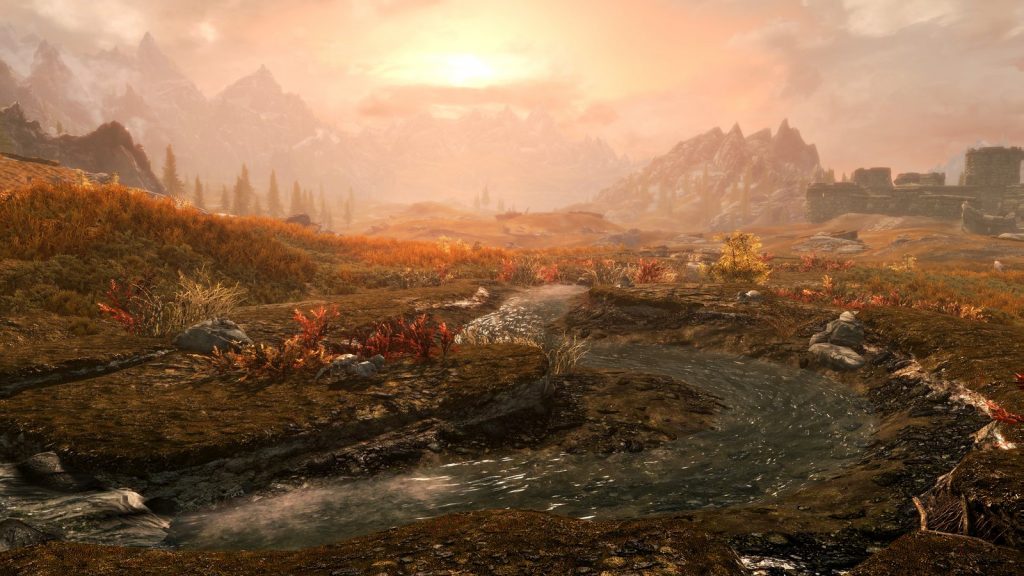
Typical western RPG: you create the character. Choose race, class, appearance and attributes, then define their personality through dialogue choices. Baldur’s Gate, The Elder Scrolls and Fallout all start with a character creation screen. Some western RPGs use a defined lead too, notably Geralt of Rivia in The Witcher series, but the default expectation is that the hero is yours.
Neither approach is better. An authored hero lets writers build a tight personal arc. A player-created hero puts you at the center of the role-playing.
Difference 2: Story Structure and Choice
JRPGs traditionally tell a mostly linear story: a sequence of towns, dungeons and dramatic turns that every player experiences in roughly the same order. Side quests exist, but the central narrative is fixed. The appeal is similar to a long novel or anime series: emotional payoffs that are carefully staged.
Western RPGs more often emphasize branching choices and consequences. Quests may resolve in several ways, factions may react to your actions, and endings can differ dramatically. Fallout (1997) let players talk, sneak or fight through many situations; Baldur’s Gate 3 (2023) builds entire acts around how you handle key decisions.
There are many exceptions. Triangle Strategy (2022), a Japanese tactical RPG, has the party vote on major decisions through its “Scales of Conviction” and leads to one of four endings. Lies of P (2023), developed in South Korea, uses timed choices between telling the truth or lying that affect sub-plots and the ending. Meanwhile, many western RPGs have a single main plot with flavor choices layered on top.
Difference 3: Combat Traditions
For decades, JRPGs were associated with menu-based combat. Dragon Quest used classic turn-based battles; Final Fantasy IV (1991) introduced the Active Time Battle system, where characters act when a timer fills. Party members, magic and items were all selected from menus, with battles happening on a separate screen.
Western PC RPGs had their own lineage: turn-based tactical combat in games like Fallout, where each turn is spent with action points, and “real-time with pause” in the Infinity Engine games starting with Baldur’s Gate (1998), where battles run continuously but can be paused to give orders. Open-world western RPGs such as Skyrim (2011) went fully real-time, first-person combat.
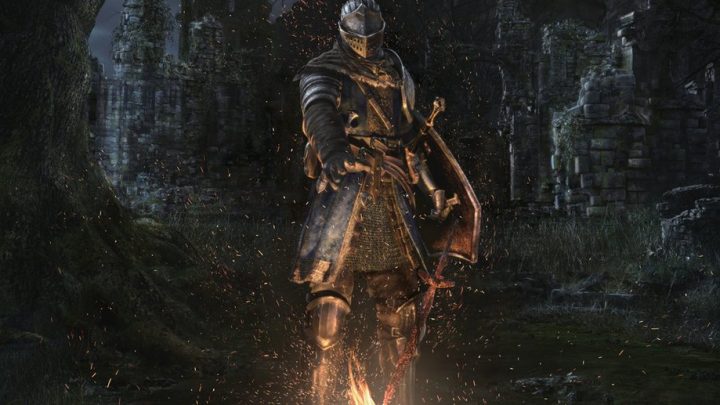
Today, these traditions have crossed over completely. Japanese studios make some of the most famous action RPGs in the world: FromSoftware’s Dark Souls and Elden Ring, and Final Fantasy XVI (2023), whose battle designer came from the Devil May Cry series. Western studios, meanwhile, have led a revival of turn-based combat with Divinity: Original Sin II (2017) and Baldur’s Gate 3.
Difference 4: Party Structure and Companions
JRPG parties are usually made of fixed, named characters who join through the story, each with their own arc and combat specialty. You might choose who fights, but you do not invent party members.
Older western RPGs often let you build the entire party yourself, as in Wizardry. Later games shifted to recruitable companions with personalities, approval systems and romance options, which became a signature of BioWare’s games and of Baldur’s Gate 3. Here, the difference is less about whether companions exist and more about how much the player shapes them.
Difference 5: Art Direction and Presentation
JRPGs often draw on manga and anime aesthetics, from Toriyama’s Dragon Quest designs to the stylish menus of Persona 5. Music is treated as a central pillar; composers such as Koichi Sugiyama (Dragon Quest) and Nobuo Uematsu (Final Fantasy) became famous in their own right, and Dragon Quest music has been performed in concert in Japan every year since 1987.
Western RPGs more often aim for grounded or painterly fantasy and science fiction, with a focus on environmental detail and simulation. Again, this is a tendency, not a rule: Clair Obscur: Expedition 33 (2025), made by French studio Sandfall Interactive, pairs a distinctly European look with turn-based party combat in the JRPG style, adding real-time dodges and parries during enemy turns.
A Quick Comparison Table
| Element | Typical JRPG tradition | Typical western RPG tradition |
|---|---|---|
| Protagonist | Authored, named hero | Player-created character |
| Story | Linear, character-driven | Branching, choice-driven |
| Classic combat | Menu-based turn-based or ATB | Tactical turn-based, real-time with pause, or real-time action |
| Party | Fixed story characters | Custom party or recruitable companions |
| World | Sequence of towns and dungeons | Explorable regions or open world |
| Presentation | Anime and manga influence, iconic soundtracks | Grounded or painterly fantasy, simulation detail |
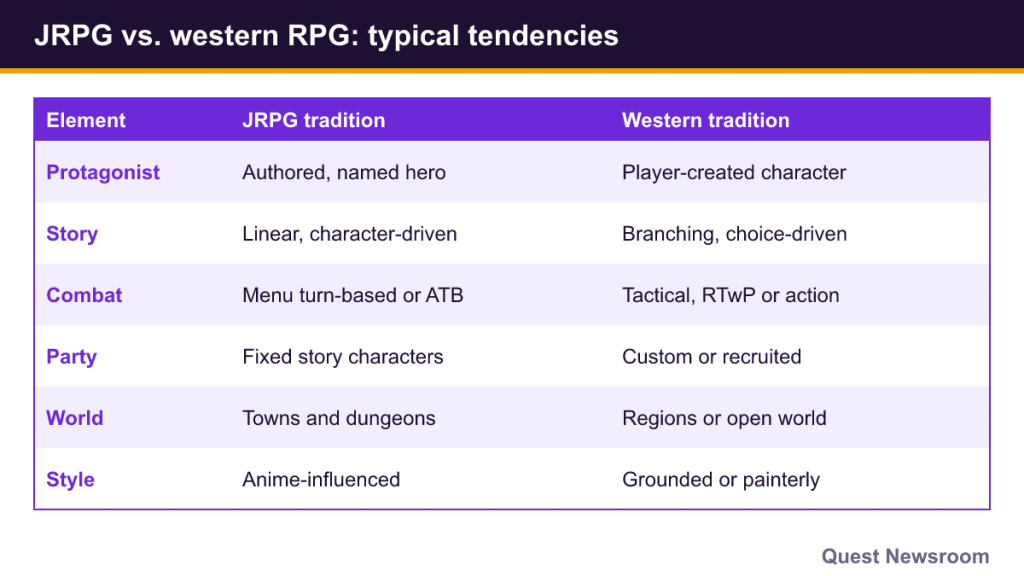
Use the table as a map of tendencies. Almost every row has famous counter-examples.
Why the Labels Are About Design, Not Geography
The single most important point is that “JRPG” describes a design tradition, not where a game was made. Some examples make this obvious:
- Dark Souls and Elden Ring are Japanese, yet they feature custom characters, sparse storytelling and real-time combat. Few people call them JRPGs.
- Clair Obscur: Expedition 33 is French and built around turn-based party combat with a defined cast, which is why many players describe it as a JRPG-inspired game.
- Lies of P is South Korean and plays as a soulslike action RPG.
- Dragon Quest itself was openly inspired by American computer RPGs.
Some players and critics avoid the label “JRPG” entirely for this reason, preferring terms that describe mechanics: “turn-based party RPG”, “action RPG”, “open-world RPG”, “CRPG”. On this site we use the traditional labels when they help readers find what they like, but always with that caveat.
Frequently Asked Questions
Are JRPGs always turn-based?
No. Turn-based and ATB combat dominated the Japanese console RPG for decades, but the Tales of series has used real-time battles since the 1990s, Final Fantasy XII (2006) moved to real-time fights with programmable “Gambits”, and Final Fantasy XVI is a full action game. At the same time, the Japanese studio behind Dragon Quest has kept turn-based combat in every mainline entry.
Do western RPGs always have more choice?
They tend to offer more branching, but the amount varies hugely. Some western RPGs have a single main plot with small reactive details, while some Japanese games offer multiple routes and endings. Fire Emblem: Three Houses (2019), for example, splits into several story routes depending on which house the player leads.
Is one tradition harder than the other?
Not inherently. Difficulty depends on the individual game. Classic JRPGs could demand grinding, while CRPGs can overwhelm newcomers with rules. Modern games in both traditions usually include difficulty settings.
Why does the debate matter at all?
Mostly because labels help players find games they will enjoy. Someone who loved a character-driven turn-based adventure will usually find more of the same under “JRPG”, while someone who loved shaping their own hero will find more under “western RPG” or “CRPG”. As long as the labels are treated as signposts rather than borders, they do their job.
Which Tradition Should You Try?
Ask yourself what you enjoy most in stories and games:
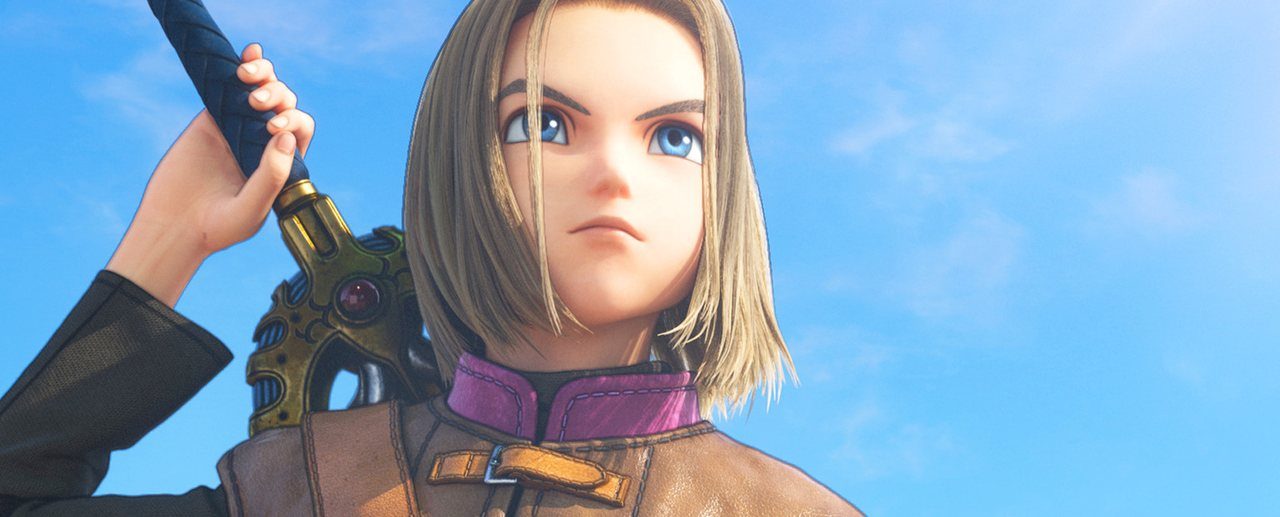
- If you love following a cast of characters through a big emotional story, start with a JRPG-style game such as Dragon Quest XI S or Persona 5 Royal.
- If you love shaping your own character and seeing your choices matter, start with a western-style RPG such as Baldur’s Gate 3 or The Witcher 3: Wild Hunt, which balances a defined hero with significant choices.
- If you want to explore freely, an open-world game such as Skyrim is a classic entry point.
Many long-time fans eventually enjoy both. The traditions borrowed from each other from the very beginning, and the best modern RPGs freely mix authored drama, meaningful choice and whatever combat style fits their vision.