Recommendations
Best Story-Driven RPGs: Narrative Classics Across Subgenres
Eight RPGs celebrated for their writing, from Planescape: Torment and Chrono Trigger to Disco Elysium and NieR: Automata, with spoiler-free hooks.
Eight RPGs celebrated for their writing, from Planescape: Torment and Chrono Trigger to Disco Elysium and NieR: Automata, with spoiler-free hooks.
How Atlus's Megami Tensei franchise works, how Persona grew from spin-off to flagship, the shared demon systems and where new players should start.
What a character build is, how stats, skills, gear and synergies combine, the trade-offs of glass cannons, tanks and hybrids, and how respecs work.
What makes an RPG open-world, how it differs from linear and hub-based design, and how Skyrim, The Witcher 3 and Elden Ring each approach freedom.
How a Polish fantasy saga became one of gaming's great RPG series: the three Witcher games, Wild Hunt's expansions, Gwent and The Witcher IV's status.
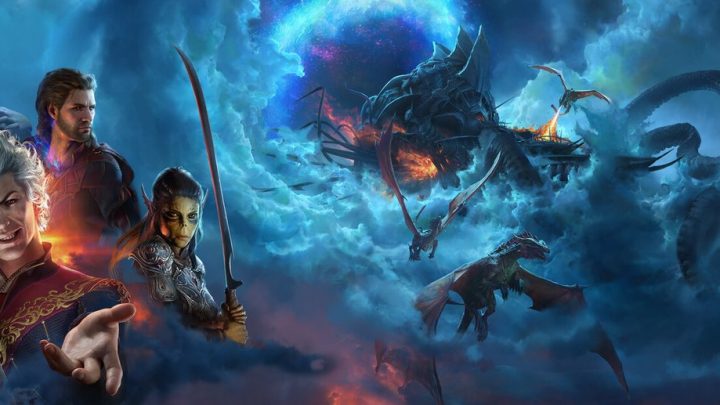
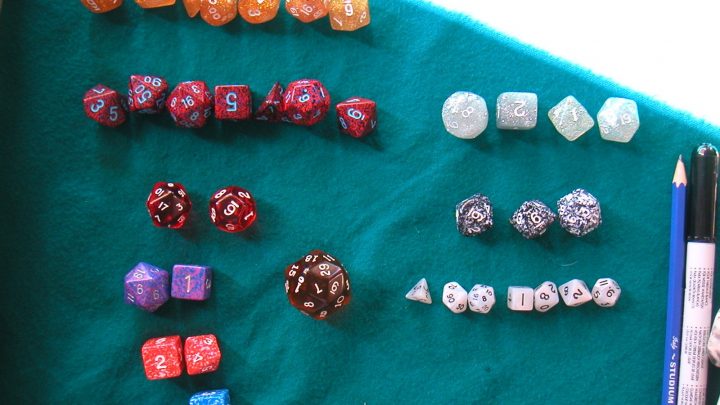
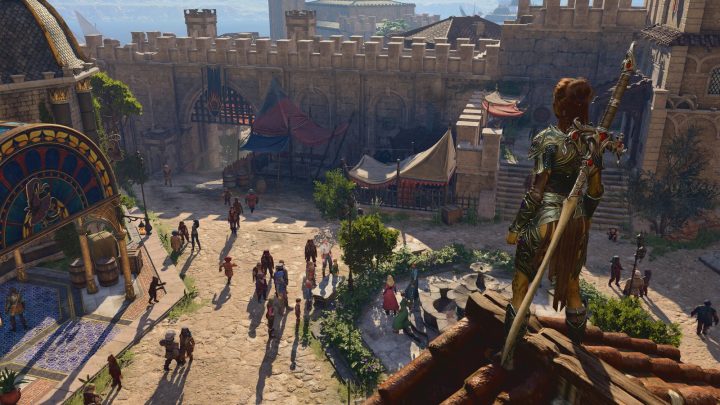
How Baldur's Gate 3 turns D&D 5e rules into a video game: d20 rolls, advantage, actions, spell slots, rests, and where Larian changed the tabletop rules.
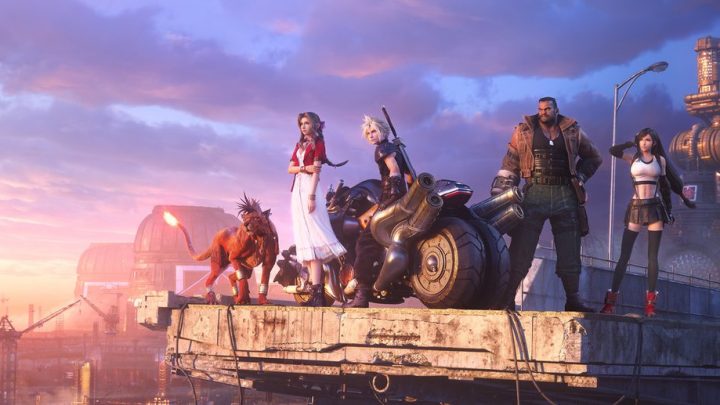
Most Final Fantasy games stand alone. Here is where to start by taste, how the FF7 Remake trilogy relates to the 1997 original, and what to play on.
Welcoming starting points in every RPG subgenre, from JRPGs and CRPGs to action, open-world and tactical games, with platforms and difficulty notes.
An A-to-Z glossary of RPG terms for single-player fans: aggro, AoE, buffs, builds, DPS, i-frames, kiting, NG+, procs, respecs, RNG, tanks and more.
Practical advice for the first hours of any RPG: choosing difficulty, picking a class, reading character creation, saving smart and when to respec.