What Is a Soulslike? The Action RPG Subgenre Explained
Stamina combat, bonfires, lost souls and brutal bosses: what defines a soulslike, where it came from, and the best non-FromSoftware examples.
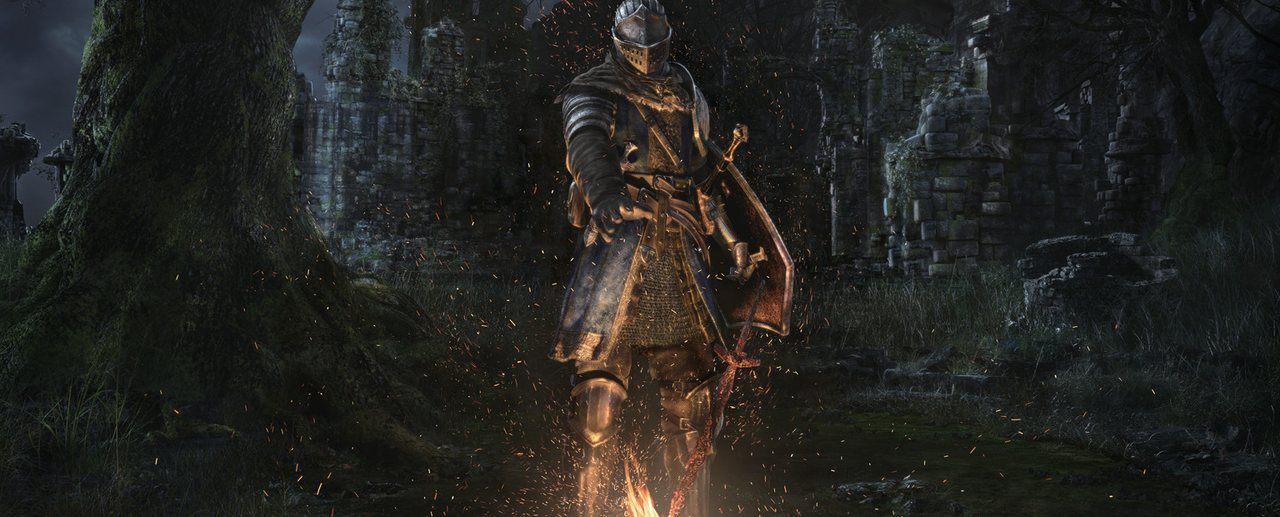
Few game labels have spread as fast as “soulslike”. In little more than a decade, it went from a joke about difficulty to a recognized subgenre of action RPGs, with dozens of games from studios around the world. The name comes from FromSoftware’s Dark Souls, but the design ideas run deeper than any single game. Here is what a soulslike actually is, where it came from, and how to tell whether one will suit you.
The Core Definition
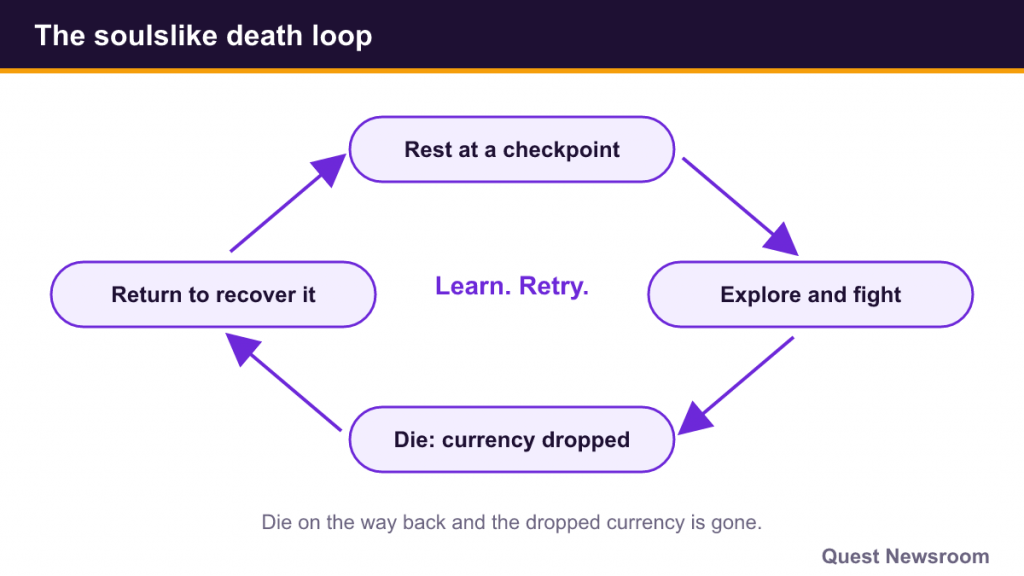
A soulslike is an action RPG built around deliberate, demanding combat and a punishing but fair death loop. You are expected to die often, learn from each death and return a little better. Most soulslikes share several features:
- Stamina-based combat. Attacking, dodging, blocking and sprinting all draw from a stamina bar. Spend it carelessly and you are left unable to act. Many attacks commit you to a full animation that cannot be cancelled, so timing matters more than button speed.
- Sparse checkpoints. Save points are spread out. Dark Souls made the bonfire the standard: resting at one restores health and healing items, lets you level up and respawns most enemies.
- Losing currency on death. The resource you use for leveling and shopping, souls in Dark Souls, is dropped where you die. You get one chance to reach that spot and recover it; die on the way and it is gone.
- Interconnected levels. Areas loop back on themselves, and unlocking a shortcut back to a checkpoint is often a bigger reward than an item.
- Environmental storytelling. Plot and lore are told indirectly through item descriptions, architecture and cryptic dialogue rather than long cutscenes.
- Tough, memorable bosses. Boss fights are tests of everything you have learned, often requiring several attempts to understand attack patterns.
As an RPG, a soulslike still runs on stats, leveling and equipment. Leveling up helps, but player skill and pattern recognition do most of the work.
Where It Started: Demon’s Souls
The subgenre’s foundation is Demon’s Souls, developed by FromSoftware for PlayStation 3. Sony Computer Entertainment published it in Japan on February 5, 2009; Atlus brought it to North America on October 6, 2009; and Namco Bandai Partners released it in PAL regions on June 25, 2010. It was directed by Hidetaka Miyazaki, who became the figure most associated with the style.
Demon’s Souls introduced many of the core ideas. Players traveled from a central hub, the Nexus, into separate worlds. Death returned you to the start of a level in soul form, with reduced maximum health, and you lost unspent souls unless you reached your bloodstain. A “World Tendency” system made regions harder or easier depending on your actions, with matching changes to rewards. Online features let other players leave messages and appear as ghosts or invaders.
The game was a cult hit, and Bluepoint Games later remade it as a PlayStation 5 launch title on November 12, 2020.
Dark Souls Defines the Template
Dark Souls arrived in Japan on September 22, 2011, and in North America on October 4, 2011, for PlayStation 3 and Xbox 360, with a Windows version following in 2012. It replaced the hub with a single interconnected world, Lordran, full of shortcuts and areas reachable by several routes. Bonfires became the checkpoint system, restoring the Estus Flask, the game’s main healing item. The “Humanity” system governed online play, letting human-form players summon help but also exposing them to invasions.
Dark Souls II (2014) and Dark Souls III (2016) completed the trilogy. FromSoftware also applied the formula to Bloodborne (2015), with faster, more aggressive combat, and to Sekiro: Shadows Die Twice (2019), which emphasized deflection and posture rather than stat building. Elden Ring (2022) brought it into an open world, adding a horse, Spirit Ashes that summon allies, and the freedom to leave a hard boss and come back later.
A Dark Souls Remastered edition arrived in May 2018 for PlayStation 4, Windows and Xbox One, and that October on Nintendo Switch.
Notable Soulslikes From Other Studios
Once Dark Souls became a success, other developers adopted and reshaped its ideas:
- Nioh (2017). Team Ninja’s game, released for PlayStation 4 in February 2017 and later for Windows and PlayStation 5, sets the formula in a dark-fantasy version of Japan’s late Sengoku period. It adds three combat stances, a “Ki Pulse” timing mechanic to restore stamina and a loot system closer to Diablo. Nioh 2 followed in 2020.
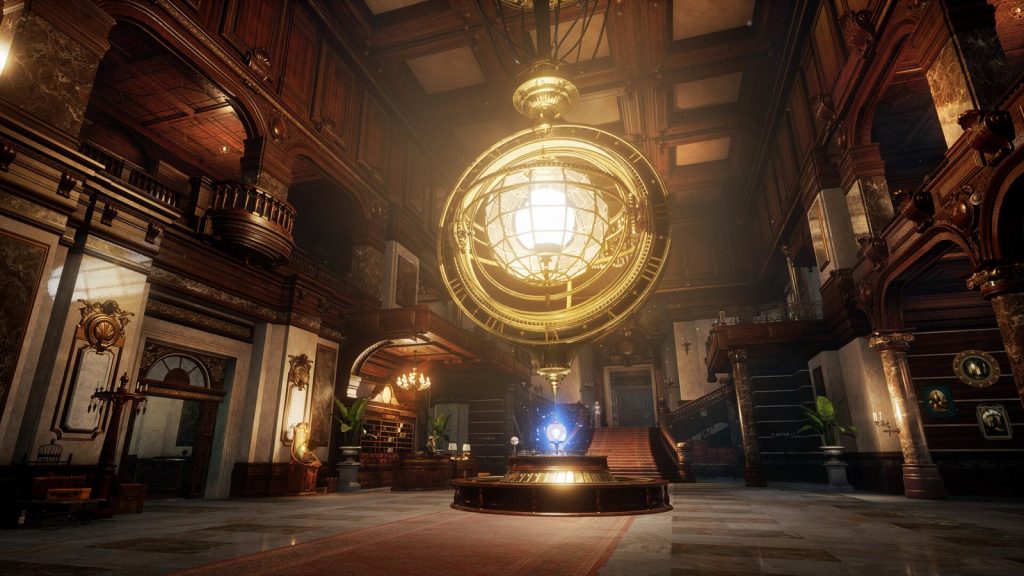
- Lies of P (2023). Developed by South Korea’s Neowiz and Round8 Studio (now Nough) and released in September 2023, it reimagines Carlo Collodi’s Pinocchio in a Belle Époque-inspired city. Its weapon assembly system lets you combine blades and handles, and timed choices between truth and lies affect the story. The Overture prequel expansion arrived in June 2025.
- Hollow Knight (2017). Team Cherry’s 2D Metroidvania, first released for Windows on February 24, 2017, is often called a 2D cousin of the soulslike. When you die you lose your Geo currency, and a Shade waits where you fell; defeat it to get your money back. Its sequel, Hollow Knight: Silksong, released on September 4, 2025.
- Others. Lords of the Fallen, Salt and Sanctuary, The Surge, Mortal Shell and Wo Long: Fallen Dynasty are frequently grouped under the label too.
The Influence Beyond the Subgenre
Even games that nobody would call a soulslike have borrowed from the formula. Checkpoints that respawn enemies, recoverable currency drops, stamina management, item descriptions that carry lore and larger, multi-phase boss fights have all become common across action games and action RPGs. Elden Ring‘s success, with over 300 Game of the Year awards including The Game Awards 2022, also showed that the style could reach a mainstream audience when paired with an open world that lets players choose their own path around obstacles. Developers outside Japan, from Australia’s Team Cherry to South Korea’s Neowiz, have adapted the ideas to their own art styles and genres, which is a big part of why the label keeps expanding.
Is the Label Useful?
The term has critics. Some writers have argued it sets misleading expectations, implying a game will feel just like Dark Souls when it may only borrow one or two ideas. Others think the label became too narrow, discouraging developers from experimenting. Most players use it loosely, as shorthand for “challenging action RPG with checkpoints and corpse runs”.
A good way to think about it is as a spectrum. A game that has stamina combat, bonfire-style checkpoints, lost currency and interconnected levels is a full soulslike. A game that borrows only the boss design or the indirect storytelling is “souls-inspired”.
Why Players Love Soulslikes
The appeal is not difficulty for its own sake. The loop is built so that every death teaches you something, and the first time you beat a boss that killed you twenty times is one of the most satisfying moments in gaming. Key reasons fans cite:
- Earned progress. Every shortcut and boss victory feels like a personal achievement.
- Fair rules. Enemies follow readable patterns, and the game rarely cheats.
- Mystery. Indirect storytelling invites players to piece together the world, which has fueled huge fan communities around lore.
- Build variety. Stats, weapons and spells support very different playstyles, from heavily armored knights to fragile sorcerers.
Common Misconceptions
“Soulslikes are only about difficulty”
Difficulty is part of the design, but it serves something else: the sense of mastery and discovery. Many soulslikes offer ways to make the experience gentler, such as summoning help, leveling up in easier areas or choosing a more forgiving build. A heavily armored character with a shield plays very differently from a fragile, fast one.
“Losing your currency means losing your progress”
Progress in a soulslike is mostly knowledge, shortcuts opened and bosses defeated, and those stay with you. The currency drop is designed to create tension during your return trip, not to erase hours of play. Spending currency regularly at a checkpoint limits the risk.
“You need to read the lore to enjoy them”
Not at all. Indirect storytelling means you can ignore most of the lore and simply enjoy the exploration and combat. Players who want more can read item descriptions and piece the story together, which is a hobby in itself for many fans.
“Any hard game is a soulslike”
Difficulty alone does not make a soulslike. Hard platformers, roguelikes and fighting games have very different structures. The label points to a specific combination: stamina-driven combat, checkpoint-based death loops, recoverable currency and interconnected exploration.
Tips for Your First Soulslike
- Watch your stamina bar. Leave enough for a dodge after attacking. Greed is the most common cause of death.
- Treat lost currency as temporary. If you are carrying a lot, spend it before entering a dangerous area.
- Learn one weapon well. Knowing its range and recovery time is worth more than collecting dozens.
- Explore for shortcuts. A route back to a checkpoint can turn a frustrating level into a manageable one.
- Use the help the game offers. Summons, Spirit Ashes and co-op are part of the design, not cheating.
- Take breaks. If a boss keeps beating you, come back fresh. Many players find they win soon after stepping away.
If you want the most forgiving start, Elden Ring‘s open world lets you leave a difficult area and explore elsewhere until you are stronger. If you prefer a tighter, more structured challenge, Dark Souls Remastered or Lies of P are excellent introductions to the classic formula.