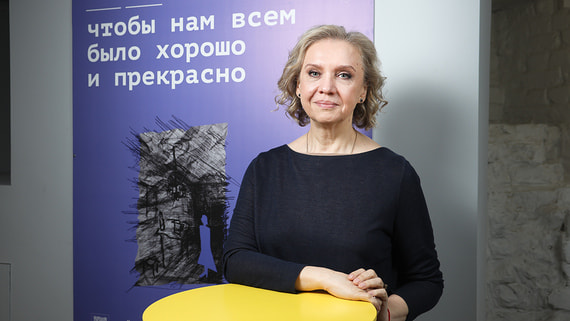
Marina Brusnikina, one of Russia’s most influential theater directors, has spent decades exploring the intersection of art and human psychology. As the artistic director of the Praktika Theater and chief director of the Russian Academic Youth Theatre (RAMT), she has developed a distinctive artistic philosophy centered on the transformative power of theatrical illusion. In recent reflections on her work, Brusnikina emphasized that the search for meaning and light remains at the core of her creative vision, suggesting that theater’s greatest strength lies in its ability to shape perception and inspire change in audiences.
Brusnikina’s career trajectory represents a remarkable journey through Russian theatrical traditions. A graduate of the prestigious Moscow Art Theatre School, she trained under masters who emphasized the psychological depth championed by Stanislavski himself. Her approach to directing combines this classical foundation with contemporary sensibilities, creating productions that resonate with modern audiences while honoring the rich heritage of Russian dramatic arts. The director has consistently pushed boundaries, adapting literary works for the stage and developing new theatrical languages that speak to current social and emotional realities.
The Philosophy Behind Theatrical Illusion
When Brusnikina speaks about illusions having the power to influence people, she touches on a concept that has fascinated philosophers and artists for centuries. Theater, by its very nature, asks audiences to suspend disbelief and enter constructed worlds. This voluntary engagement with illusion, according to Brusnikina’s philosophy, creates unique opportunities for emotional and intellectual transformation. Unlike passive entertainment, thoughtfully crafted theatrical experiences can challenge assumptions, provoke empathy, and ultimately alter how viewers perceive their own lives and relationships.
The concept connects to broader discussions in cognitive science about how narrative and performance affect the human brain. Research has shown that witnessing dramatic performances activates mirror neurons and emotional processing centers, essentially allowing audiences to experience characters’ journeys as if they were their own. Brusnikina’s work deliberately harnesses this phenomenon, crafting productions designed to leave lasting impressions long after the curtain falls. Her emphasis on finding meaning suggests a conviction that art bears responsibility not merely to entertain but to illuminate fundamental truths about human existence.
Leadership at Two Major Institutions
Managing both the Praktika Theater and RAMT presents unique challenges and opportunities. The Praktika, founded in 2005, has established itself as one of Moscow’s premier venues for contemporary and experimental work, regularly premiering new Russian plays and hosting innovative productions from emerging directors. RAMT, meanwhile, carries a different mandate as a youth-focused institution with roots stretching back to 1921, requiring programming that engages younger audiences while maintaining artistic integrity. Brusnikina navigates these dual responsibilities by maintaining a consistent core philosophy across both venues while adapting her approach to each institution’s specific mission and audience.
Her leadership style emphasizes collaboration and the nurturing of new talent. Under her guidance, both theaters have become incubators for the next generation of Russian theatrical artists, providing platforms for young playwrights, directors, and actors to develop their craft. This commitment to artistic development reflects Brusnikina’s belief that theater’s power to influence depends on constant renewal and fresh perspectives. By mentoring emerging artists while continuing her own directorial work, she ensures that her philosophical approach to theatrical illusion will continue influencing Russian drama for generations to come.
The Search for Light in Contemporary Theater
Brusnikina’s reference to searching for light carries particular resonance in an era when many theatrical productions embrace darkness and cynicism. While acknowledging the validity of works that explore human suffering and societal problems, she advocates for balance, arguing that theater must also offer glimpses of hope, beauty, and meaning. This perspective positions her somewhat against trends in contemporary international theater that emphasize bleakness and deconstruction. For Brusnikina, the ultimate purpose of theatrical illusion is not merely to reflect reality but to suggest possibilities for transcendence and growth.
This optimistic orientation has shaped her choice of material and directorial approach throughout her career. Productions under her leadership frequently feature moments of genuine emotional breakthrough, catharsis, and resolution, even when dealing with difficult subject matter. The search for meaning she describes is not naive escapism but rather a disciplined artistic commitment to finding substance beneath surface appearances. In an age of endless digital distraction, Brusnikina’s theaters offer spaces where audiences can engage with carefully constructed illusions designed to reconnect them with deeper truths about themselves and their world.
Expert Opinion: Marina Brusnikina’s dual emphasis on theatrical illusion and meaningful content represents a significant counterbalance to purely deconstructionist trends in contemporary European theater. Her leadership positions at both an experimental venue and a historic youth theater suggest that Russian theatrical institutions increasingly value directors who can bridge traditional psychological realism with contemporary forms. As audiences worldwide seek more substantive artistic experiences post-pandemic, Brusnikina’s philosophy of transformative theater may prove increasingly influential beyond Russia’s borders.