The Russian television landscape has welcomed a new creative voice as the experimental dramedy “Second Wind” claimed the top prize at the prestigious Pilot Festival. This unconventional series, which explores the dark corridors of an experimental rehabilitation facility, has captivated audiences and critics alike with its unique blend of absurdist humor and social commentary. The show’s victory marks a significant moment for Russian television, signaling an appetite for bold, genre-defying content that challenges conventional storytelling norms while paying homage to the legacy of Soviet cinema’s greatest satirists.
A Fresh Take on Dystopian Storytelling
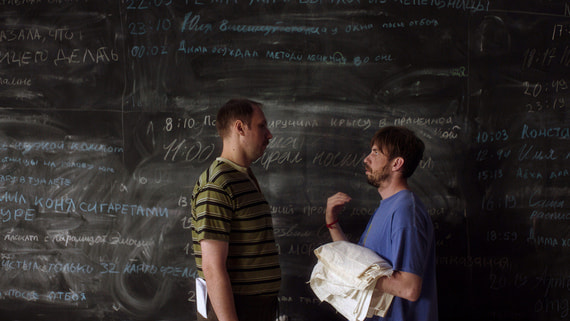
“Second Wind” presents viewers with a haunting yet darkly comedic vision of a rehabilitation center where the boundaries between treatment and control become increasingly blurred. The series draws unmistakable parallels to the work of legendary Georgian-Soviet filmmaker Georgy Danelia, whose films like “Kin-dza-dza!” and “Autumn Marathon” masterfully combined social satire with philosophical depth. Danelia, who passed away in 2019, left behind a cinematic legacy that continues to influence contemporary Russian storytelling, and “Second Wind” appears to be carrying that torch into the streaming era.
The show’s creators have crafted a world that feels simultaneously familiar and unsettling, using the rehabilitation facility as a microcosm for broader societal observations. This approach echoes the tradition of Soviet-era allegorical filmmaking, where directors used fantastical or absurd settings to comment on real-world issues while navigating censorship restrictions. In today’s context, “Second Wind” employs similar techniques to explore themes of conformity, institutional power, and individual resistance, wrapped in the accessible format of a dramedy series.
The Pilot Festival’s Growing Influence
The Pilot Festival has established itself as one of the most important showcases for new Russian television content, serving as a launching pad for innovative series that might otherwise struggle to find mainstream attention. Founded to promote pilot episodes and new concepts in Russian television production, the festival has become a crucial meeting point for creators, producers, and network executives seeking the next breakthrough hit. The victory of “Second Wind” at this year’s event suggests that audiences and industry professionals alike are hungry for content that takes creative risks.
Television experts have noted that the Russian streaming market has undergone significant transformation in recent years, with domestic platforms increasingly investing in original content that can compete with international offerings. The success of shows like “Second Wind” demonstrates that there is substantial appetite for locally-produced content that speaks to Russian cultural sensibilities while employing sophisticated storytelling techniques. The dramedy format, which blends dramatic tension with comedic relief, has proven particularly effective in engaging viewers who seek entertainment that doesn’t sacrifice intellectual depth for accessibility.
The Legacy of Soviet Satirical Cinema
The comparison to Georgy Danelia’s work is particularly significant given the filmmaker’s enduring influence on Russian popular culture. His 1986 science fiction comedy “Kin-dza-dza!” remains a cult classic, beloved for its absurdist depiction of a desert planet ruled by arbitrary social hierarchies and meaningless rituals. The film’s critique of bureaucracy, conformity, and the human tendency toward petty tyranny resonated deeply with Soviet audiences and continues to find new admirers among younger generations. “Second Wind” appears to channel this same spirit, using its rehabilitation center setting to examine how institutions can simultaneously promise healing while perpetuating harm.
Industry analysts suggest that the success of such dystopian-tinged content reflects broader cultural anxieties and a desire for art that processes complex social realities through the lens of dark humor. The rehabilitation center setting of “Second Wind” offers rich metaphorical possibilities, allowing the series to explore questions about autonomy, wellness culture, and the sometimes coercive nature of help. As Russian television continues to mature and diversify, projects like “Second Wind” represent a promising direction that honors the country’s rich tradition of satirical storytelling while pushing into new creative territory.
Expert Opinion: The victory of “Second Wind” at the Pilot Festival signals a meaningful shift in Russian television toward more auteur-driven, philosophically ambitious content. As streaming platforms compete for viewer attention, we can expect to see more productions that embrace the satirical traditions of Soviet cinema while adapting them for contemporary audiences. This trend suggests that Russian television is entering a new creative golden age, where genre-blending and social commentary can coexist with mainstream entertainment appeal.