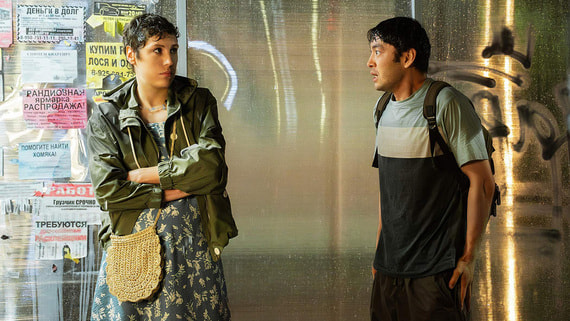
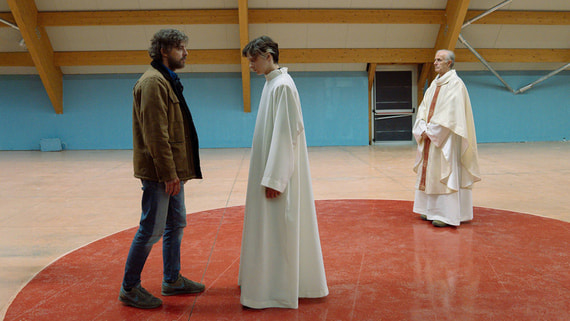
A new mystical drama with folk horror elements has arrived in theaters, challenging audiences to contemplate an uncomfortable philosophical question: what if suffering serves a greater purpose? “Valley of Smiles” weaves together supernatural elements with deep psychological exploration, creating an atmospheric experience that lingers long after the credits roll. The film joins a growing trend of elevated horror that prioritizes existential dread over jump scares, inviting viewers into a world where ancient beliefs clash with modern sensibilities.
A Journey Into Darkness and Discovery
The narrative follows a group of characters who find themselves drawn to a remote community nestled in a picturesque valley. What initially appears to be an idyllic retreat gradually reveals itself as something far more complex and disturbing. The inhabitants of this secluded settlement live by an ancient philosophy that pain and suffering are not merely obstacles to overcome but essential components of human existence that must be embraced and even cultivated. This premise allows the filmmakers to explore themes of trauma, resilience, and the human capacity for both cruelty and transcendence.
Director and screenwriter craft a deliberately paced story that builds tension through atmosphere rather than relying on conventional horror tropes. The cinematography captures the valley’s beauty in ways that feel both inviting and deeply unsettling, using natural light and shadow to create a sense of perpetual unease. The landscape itself becomes a character, its serene exterior masking the disturbing practices that occur within its boundaries. This visual approach echoes the work of directors like Ari Aster and Robert Eggers, who have similarly used pastoral settings to amplify psychological terror.
The Folk Horror Renaissance
“Valley of Smiles” arrives during what many critics are calling a renaissance of folk horror cinema. This subgenre, which draws upon rural traditions, pagan beliefs, and the tension between modern and ancient worldviews, has experienced remarkable growth over the past decade. Films like “Midsommar,” “The Witch,” and “The Wicker Man” remake have demonstrated that audiences hunger for horror that engages with deeper cultural and philosophical questions. The appeal lies partly in how these stories tap into primal fears about community, belonging, and the darkness that can lurk beneath seemingly wholesome traditions.
The film’s exploration of pain as a transformative force resonates with various philosophical and religious traditions throughout history. From ancient Stoic philosophers who advocated for embracing hardship to certain ascetic religious practices that view suffering as a path to enlightenment, humanity has long grappled with the meaning and purpose of pain. “Valley of Smiles” does not provide easy answers but instead presents multiple perspectives, allowing viewers to draw their own conclusions about whether the community’s beliefs represent profound wisdom or dangerous delusion.
Performance and Technical Achievement
The ensemble cast delivers performances that ground the supernatural elements in recognizable human emotion. The protagonists’ gradual transformation as they become exposed to the valley’s philosophy provides compelling character arcs that anchor the more abstract thematic elements. Particularly noteworthy is how the actors convey the seductive nature of certainty, showing how vulnerable individuals might be drawn to a worldview that promises meaning in suffering rather than random cruelty.
The sound design deserves special mention, incorporating traditional folk music with discordant modern elements to create an audio landscape that mirrors the film’s thematic concerns. The score shifts between haunting beauty and jarring dissonance, often within the same scene, keeping viewers in a constant state of emotional uncertainty. This technical sophistication extends to the production design, which fills the frame with meaningful details that reward attentive viewing and encourage multiple screenings.
Cultural Impact and Critical Reception
Early critical response to “Valley of Smiles” has been polarized, with some praising its ambitious philosophical scope and others finding its pacing too deliberate for mainstream audiences. However, this division itself speaks to the film’s success in provoking genuine reactions rather than settling for forgettable entertainment. The movie challenges viewers to sit with discomfort, both in its content and its unconventional structure, making it a natural conversation starter among those who seek more from their cinema experiences than simple escapism.
As audiences continue to seek out stories that reflect the complexities of contemporary existence, “Valley of Smiles” positions itself as a significant entry in the elevated horror canon. Whether viewed as a cautionary tale about extremism or a genuine inquiry into the nature of human suffering, the film offers a theatrical experience that demands engagement and reflection. For those willing to venture into its unsettling world, the valley awaits with its disturbing hospitality and its eternal, enigmatic smile.
Expert Opinion: The emergence of philosophical folk horror like “Valley of Smiles” reflects a broader cultural shift toward cinema that processes collective trauma through allegorical storytelling. As global audiences continue grappling with unprecedented challenges, expect this subgenre to evolve further, potentially incorporating more diverse cultural traditions and mythologies while maintaining its focus on existential questions that conventional horror rarely addresses.