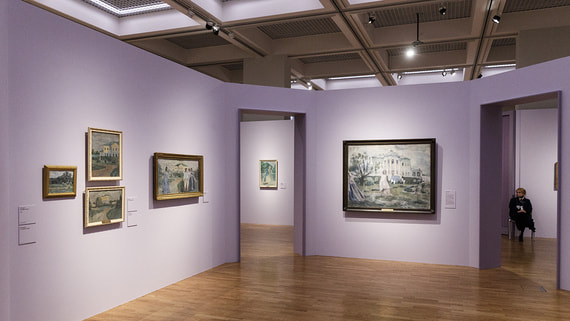
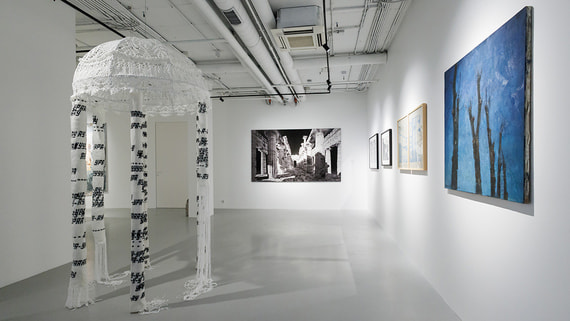
The Ruarts Foundation in Moscow has opened a thought-provoking exhibition that invites visitors to contemplate what remains when human civilization fades away. Through paintings, installations, and mixed media works, contemporary artists explore themes of ruins, collective memory, and nature’s inevitable reclamation of human spaces. This exhibition arrives at a particularly resonant moment, as global audiences increasingly grapple with questions about environmental sustainability, the permanence of human achievement, and our species’ ultimate legacy on Earth.
The show brings together works that meditate on decay and transformation, presenting ruins not as symbols of failure but as evidence of time’s passage and nature’s patient resilience. Visitors encounter haunting landscapes where vegetation overtakes concrete structures, where monuments crumble into abstraction, and where the absence of human figures speaks volumes about impermanence. The curatorial approach draws from the rich tradition of ruin aesthetics that has fascinated artists for centuries, from the Romantic painters who found sublime beauty in ancient temples to contemporary creators who see abandoned shopping malls and industrial sites as equally worthy of contemplation.
The Philosophical Roots of Ruin Aesthetics
The artistic fascination with ruins stretches back centuries, finding particular expression during the Romantic period of the late 18th and early 19th centuries. Artists like Caspar David Friedrich and Hubert Robert captured crumbling abbeys and classical remains, using them as vehicles for meditation on mortality and the passage of empires. This tradition viewed ruins as memento mori on a civilizational scale, reminding viewers that even the mightiest human achievements eventually succumb to time. The German concept of “Ruinensehnsucht” – a longing for ruins – captured this peculiar attraction to decay that continues to resonate with contemporary audiences.
The exhibition at Ruarts consciously engages with this heritage while updating it for modern sensibilities. Where Romantic artists often depicted ancient Greco-Roman structures, today’s creators turn their attention to 20th-century industrial architecture, Soviet-era monuments, and the detritus of consumer culture. This shift reflects changing anxieties about which aspects of our civilization deserve remembrance and which might be better forgotten. The works challenge viewers to consider what future generations – or perhaps no generations at all – might make of the structures we leave behind.
Memory, Nature, and the Post-Human Landscape
Central to the exhibition’s conceptual framework is the relationship between human memory and natural processes. Several works explore how landscapes retain traces of human activity long after people have departed, creating what some scholars call “memory landscapes.” These pieces draw on research in archaeology and environmental science, which has documented how human modifications to terrain can persist for millennia, even when the civilizations that created them have vanished entirely. Ancient agricultural terraces, for instance, continue to shape water flow and plant growth thousands of years after their creators disappeared.
The artists represented in this show approach nature not as a hostile force but as a patient inheritor. Their works suggest that the world after humanity would not be a wasteland but rather a space of gradual transformation and renewal. This perspective aligns with recent ecological thinking that challenges anthropocentric views of environmental destruction. While human activity has certainly caused unprecedented changes to Earth’s systems, the planet itself will continue long after our species’ tenure ends. The exhibition invites viewers to find strange comfort in this cosmic perspective, even as it mourns the loss of human meaning and purpose.
Contemporary Relevance and Artistic Vision
The exhibition’s themes resonate powerfully with current global conversations about climate change, sustainability, and civilizational resilience. As extreme weather events become more frequent and scientists warn of potential societal disruptions, art that contemplates post-human scenarios moves from speculative fantasy to urgent reflection. The works on display do not preach or moralize; instead, they create space for visitors to sit with uncomfortable questions about permanence, meaning, and legacy. This meditative approach distinguishes the show from more didactic environmental art, allowing for personal interpretation and emotional response.
The Ruarts Foundation has established itself as an important venue for contemporary art that engages with philosophical and social questions. By hosting this exhibition, the foundation continues its mission of fostering dialogue between artists and audiences about issues that transcend the purely aesthetic. The show runs through the coming months, offering Moscow residents and visitors an opportunity to step outside daily concerns and contemplate deeper questions about humanity’s place in time and nature’s ultimate triumph over human ambition.
Expert Opinion: This exhibition represents a significant trend in contemporary art toward what cultural theorists call “post-anthropocene aesthetics” – work that imagines Earth’s future beyond human dominance. As environmental anxieties intensify globally, we can expect more artists to explore themes of decay, transformation, and natural reclamation. Such work serves not as nihilistic prophecy but as a valuable mirror, helping societies process complex emotions about mortality and legacy while potentially inspiring more sustainable relationships with our planet.