The 2026 FIFA World Cup, hosted jointly by the United States, Canada, and Mexico, has already delivered its fair share of unforgettable moments that transcend the beautiful game itself. From emotional outbursts by legendary players to political theatrics and bizarre celebrations, this tournament has proven that football’s greatest stage is as much about human drama as it is about athletic excellence. As the competition unfolds across North America, fans worldwide have been treated to a spectacle that goes far beyond goals and saves.
Ronaldo’s Tears: A Legend’s Emotional Journey
Perhaps the most poignant moment of the tournament so far has been Cristiano Ronaldo’s tearful display on the pitch. At 41 years old, the Portuguese superstar is participating in what many believe to be his final World Cup, and the weight of that reality has clearly affected him. The five-time Ballon d’Or winner, known for his steely determination and unshakeable confidence, showed a vulnerable side that resonated with millions of viewers. This isn’t the first time Ronaldo has shed tears at a major tournament—fans will remember his emotional breakdown during the 2016 European Championship final when he was forced off with an injury, only to see his team triumph without him on the pitch.
Ronaldo’s career spans an incredible 23 years at the highest level, during which he has accumulated over 900 career goals and countless records. His journey from the streets of Madeira to global superstardom represents one of football’s greatest success stories. The tears he shed at this World Cup symbolize not just personal emotion but the bittersweet reality of time’s passage for even the greatest athletes. Sports psychologists have noted that such displays of vulnerability actually enhance rather than diminish a player’s legacy, humanizing figures who often seem superhuman in their achievements.
Trump’s Touchdown Dance and Political Theater
In a moment that divided opinion across social media, former President Donald Trump made headlines with an impromptu dance celebration during one of the tournament matches. The incident occurred during a high-profile game, with cameras catching Trump’s enthusiastic moves in the VIP section. This intersection of politics and sport is nothing new for World Cups—the tournament has historically served as a stage for political statements, diplomatic gestures, and occasionally controversial displays. Trump, who played a role in bringing the World Cup to American soil during his first term, has maintained a visible presence at several matches.
The politicization of major sporting events has been a recurring theme throughout World Cup history. From Argentina’s 1978 tournament under military dictatorship to Qatar’s 2022 edition, which sparked debates about human rights and labor practices, football’s biggest stage has never been entirely separate from geopolitical considerations. The 2026 tournament, spread across three nations with complex political relationships, continues this tradition. International observers have noted that sports diplomacy remains a powerful tool, with the shared hosting arrangement between the United States, Canada, and Mexico representing a significant statement about North American cooperation.
Norway’s Rowing Celebration: A Nod to Viking Heritage
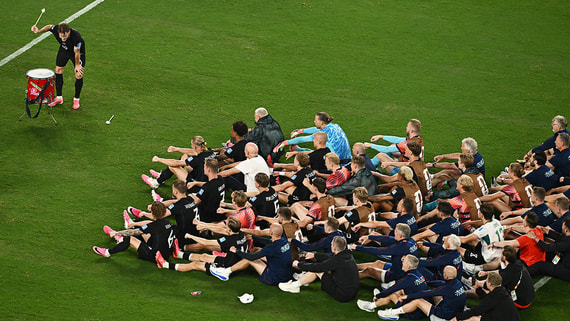
Adding a touch of humor and cultural pride to the proceedings, Norwegian players surprised fans with an elaborate rowing celebration after scoring a crucial goal. The synchronized display, mimicking their Viking ancestors’ seafaring prowess, quickly went viral across social media platforms. Norway’s participation in this World Cup marks a significant achievement for the Scandinavian nation, which has historically struggled to qualify for major tournaments despite producing world-class talents. The celebration reflects a broader trend in modern football where players use goal celebrations to express cultural identity, social messages, or simply inject personality into the game.
Football celebrations have evolved dramatically since the sport’s early days when a simple handshake sufficed. Today’s elaborate choreographed displays have become an art form in themselves, with some celebrations achieving iconic status. From Roger Milla’s corner flag dance in 1990 to Bebeto’s baby-rocking celebration in 1994, World Cup moments are often defined as much by celebrations as by the goals themselves. The Norwegian rowing tribute joins this pantheon of memorable moments, demonstrating how football serves as a canvas for cultural expression and national pride on the world’s biggest sporting stage.
Controversies and VAR Drama Continue
Beyond the lighter moments, the 2026 World Cup has not been without its share of controversy. VAR decisions continue to spark heated debates among players, managers, and fans alike. The technology, first introduced at the 2018 World Cup in Russia, remains a lightning rod for criticism despite FIFA’s efforts to improve its implementation. Several matches have been marred by lengthy reviews and questionable calls, reigniting the perennial debate about technology’s role in football. Additionally, reports of organizational challenges at certain venues and concerns about extreme heat conditions in some host cities have prompted discussions about the logistical complexities of hosting such a massive event across three countries.
The tournament’s scale is unprecedented in World Cup history, featuring 48 teams for the first time and requiring coordination across vastly different time zones, climates, and regulatory environments. With matches being played from Vancouver to Mexico City, from Miami to Los Angeles, the logistical achievement is remarkable—though not without growing pains. As the group stages progress and the knockout rounds approach, the intensity will only increase, promising more drama, more tears, more celebrations, and undoubtedly more moments that remind us why billions of people around the world remain captivated by the beautiful game.
Expert Opinion: The 2026 World Cup is reshaping how we understand mega-sporting events, with its tri-nation format serving as a potential template for future tournaments. The emotional moments we’re witnessing—from Ronaldo’s tears to cultural celebrations—indicate that modern football increasingly values narrative and human connection alongside pure athletic competition. Expect FIFA to leverage these viral moments in future tournament planning, as the lines between sport, entertainment, and cultural diplomacy continue to blur on football’s grandest stage.