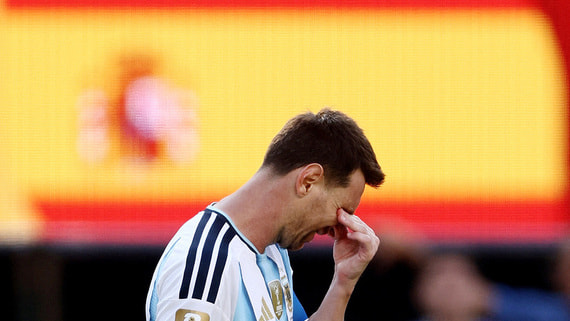
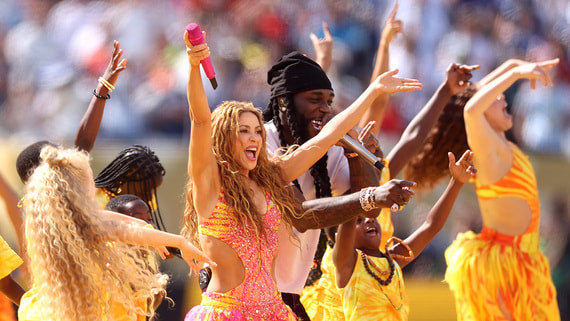
The most anticipated football match of the year has drawn an extraordinary gathering of global celebrities, politicians, and cultural icons to witness history in the making. The World Cup final between Spain and Argentina has become more than just a sporting event—it has transformed into a glamorous spectacle where Hollywood meets international football royalty. Among the distinguished guests spotted in the VIP sections are former U.S. President Donald Trump, legendary actor Tom Cruise, and Rolling Stones frontman Mick Jagger, creating a star-studded atmosphere that rivals any red carpet premiere.
The presence of such high-profile attendees underscores the universal appeal of football as the world’s most popular sport. World Cup finals have historically attracted celebrities from all walks of life, serving as a unique intersection of sports, entertainment, and politics. The tradition of celebrity attendance at major football events dates back decades, with memorable appearances including Pope John Paul II at the 1982 World Cup in Spain and Nelson Mandela’s iconic moment at the 1995 Rugby World Cup, which demonstrated the power of sports diplomacy on the world stage.
Political Figures and Entertainment Icons Unite
Donald Trump’s presence at the final marks another high-profile international appearance for the former president, who has maintained an active public schedule. Trump, known for his appreciation of large-scale events and championship moments, was seen engaging with other dignitaries in the exclusive hospitality areas. His attendance at sporting events has been a consistent feature throughout his political career, reflecting the intertwined nature of American politics and major international competitions. Security arrangements were notably enhanced to accommodate the former president and other VIP guests.
Tom Cruise, one of Hollywood’s most enduring leading men, brought his characteristic star power to the stadium. The actor, who has previously shown his love for various sports including motor racing and soccer, appeared enthusiastic about witnessing the clash between two footballing giants. Cruise has a history of attending major sporting finals around the world, from Wimbledon to Formula One races, consistently demonstrating his genuine passion for competitive athletics. His presence added an unmistakable Hollywood glamour to the already electric atmosphere inside the packed stadium.
Rock and Roll Royalty in Attendance
Perhaps no celebrity embodies the intersection of music and football quite like Mick Jagger. The legendary Rolling Stones frontman, now in his eighties but showing no signs of slowing down, has been a fixture at World Cup tournaments for decades. Jagger’s relationship with football is well-documented and somewhat controversial—he has gained a reputation among fans as a bearer of bad luck, with teams he openly supports often suffering defeat. This superstition, known as the “Jagger Curse,” has become a running joke in football circles, though it did little to dampen the excitement surrounding his attendance at this historic final.
The rivalry between Spain and Argentina represents a clash of football philosophies and national pride that stretches back through generations of memorable encounters. Argentina, seeking to defend their World Cup crown and add another star to their jersey, brought a passionate fan base that transformed sections of the stadium into a sea of blue and white. Spain, meanwhile, arrived with a squad that has captured the imagination of football purists worldwide, playing a brand of possession-based football that traces its roots to the legendary Barcelona academies. The weight of history added immense pressure to every player who stepped onto the pitch.
A Global Spectacle Beyond the Pitch
Beyond the celebrity sightings, the final represented a massive global television event, with estimated viewership expected to exceed one billion people worldwide. Broadcast crews from every corner of the globe captured not only the action on the field but also the reactions of famous faces in attendance. The economic impact of such an event extends far beyond ticket sales, generating billions in advertising revenue, merchandise sales, and tourism for the host nation. The gathering of world-famous figures serves as free publicity that money simply cannot buy, amplifying the cultural significance of the beautiful game.
The tradition of celebrity attendance at World Cup finals has evolved significantly over the years. What began as occasional appearances by heads of state has transformed into a carefully orchestrated display of soft power and personal branding. For celebrities, being seen at such events reinforces their global relevance, while for football organizations, star-studded crowds elevate the sport’s prestige beyond athletic competition into the realm of cultural phenomenon. As the final whistle approached, the assembled celebrities and billions of viewers alike shared in the collective drama that only football’s greatest stage can provide.
Expert Opinion: The convergence of political figures, entertainment icons, and sports stars at World Cup finals reflects the tournament’s unique position as humanity’s largest shared cultural experience. This phenomenon will likely intensify in future tournaments as social media amplifies celebrity presence, creating additional commercial opportunities for FIFA while potentially overshadowing the athletic achievements that should remain the event’s core focus.