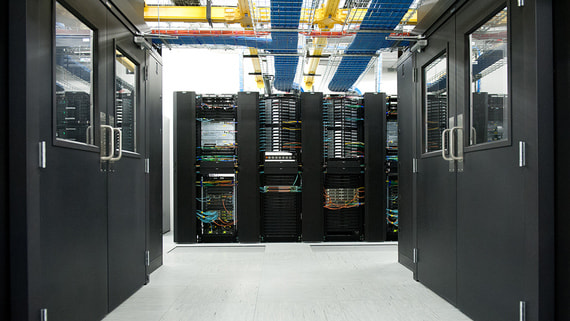

Despite the tightening of monetary policy and growing economic uncertainty, Russian enterprises have demonstrated a clear commitment to maintaining their investments in cybersecurity and cloud computing solutions. While the broader infrastructure software market has shown signs of deceleration, these two critical segments have emerged as resilient priorities for organizations navigating an increasingly complex digital landscape. This trend reflects a fundamental shift in how businesses perceive technology spending—not as a discretionary expense, but as an essential investment in operational continuity and competitive advantage.
Key Takeaways
- Infrastructure software growth has dropped 15-20% from previous trajectory as companies defer non-essential upgrades under tight monetary policy.
- Cybersecurity spending continues growing 25-30% annually, treated as non-negotiable business insurance against escalating threats.
- Russian cloud market projected to exceed 500 billion rubles by 2025, with domestic providers gaining share over international alternatives.
- Experts forecast cybersecurity and cloud will sustain 20-25% annual growth through 2027, outpacing traditional IT categories.
High Interest Rates Squeeze IT Budgets Unevenly
The Russian Central Bank’s aggressive stance on interest rates has created a challenging environment for technology investments across the board. With borrowing costs at elevated levels, many organizations have been forced to scrutinize their IT budgets more carefully than ever before. The infrastructure software market, which encompasses everything from operating systems to database management tools and enterprise applications, has experienced a notable slowdown as companies defer non-essential upgrades and implementations. Industry analysts estimate that overall growth in the infrastructure software segment has declined by approximately 15-20 percent compared to the previous year’s trajectory.
However, the picture is markedly different when examining specific verticals within the technology ecosystem. Cybersecurity and cloud services have bucked the broader trend, maintaining robust growth rates even as other categories contracted. This divergence speaks to the strategic importance these technologies hold in modern enterprise operations. Organizations have recognized that cutting corners on security could expose them to devastating breaches, while reducing cloud investments could hamper their operational flexibility and scalability in uncertain times.
Security Spending Holds Firm Against Cuts
| Technology Segment | Growth Trend |
|---|---|
| Infrastructure Software | Down 15-20% vs prior year |
| Cybersecurity | Up 25-30% annually |
| Cloud Services | ~30% CAGR through 2025 |
The persistent threat landscape has made cybersecurity spending essentially non-negotiable for Russian enterprises. With cyberattacks growing in both frequency and sophistication, organizations across all sectors have concluded that security investments represent a form of business insurance that cannot be compromised. The past two years have witnessed a dramatic increase in targeted attacks against critical infrastructure, financial institutions, and government agencies, reinforcing the imperative for robust defensive capabilities. According to industry reports, cybersecurity spending in Russia has grown by approximately 25-30 percent annually, even as other technology categories have stagnated.
This commitment to security spending reflects lessons learned from high-profile incidents that have affected organizations worldwide. The average cost of a data breach continues to climb, with recent estimates suggesting that a significant security incident can cost enterprises millions of dollars in direct damages, regulatory fines, and reputational harm. Russian companies have also faced unique pressures related to geopolitical tensions, which have elevated the risk profile for organizations operating in sensitive sectors. Consequently, investments in threat detection, incident response, and security operations centers have become standard components of corporate technology strategies.
Cloud Services Gain Ground Through Uncertainty
Cloud computing has similarly maintained its growth momentum, driven by the fundamental transformation of how businesses approach IT infrastructure. The shift toward remote and hybrid work models, which accelerated dramatically during the pandemic years, has created permanent changes in enterprise computing requirements. Organizations have discovered that cloud-based infrastructure offers unmatched flexibility, allowing them to scale resources up or down based on demand without the capital expenditure associated with traditional on-premises deployments. This operational agility has proven especially valuable during periods of economic uncertainty.
Russian cloud providers have capitalized on this demand, with domestic platforms gaining market share as enterprises seek alternatives to international services. The development of sovereign cloud solutions has become a national priority, with significant government investment flowing into domestic data center construction and cloud platform development. Industry experts project that the Russian cloud services market will exceed 500 billion rubles by 2025, representing a compound annual growth rate of approximately 30 percent. This growth trajectory reflects both organic demand and policy-driven initiatives to strengthen digital sovereignty.
Budget Discipline Reveals Strategic Priorities
The divergence between security/cloud spending and general IT investment marks a turning point in how enterprises categorize technology costs. When credit tightens, discretionary projects get shelved—but these numbers show security and cloud have graduated to operational necessities. Companies now view a breach or infrastructure rigidity as existential risks, not hypothetical concerns.
Domestic cloud providers stand to benefit most from this realignment. Government backing for sovereign cloud infrastructure, combined with enterprise wariness toward foreign platforms, creates favorable conditions for local players. The 500 billion ruble market projection depends partly on continued policy support, but organic demand from hybrid work patterns provides a durable foundation.
The risk here is overconcentration. If organizations channel most available budget into security and cloud while starving other infrastructure, technical debt accumulates elsewhere. Database systems, middleware, and enterprise applications still require maintenance and modernization. When rates eventually ease, expect a catch-up wave in these neglected categories—but the pecking order has permanently shifted.
Common Questions
Why are companies still spending on cybersecurity during budget cuts?
The cost of a major breach—direct damages, regulatory fines, reputation loss—far exceeds security investment costs. With attack frequency and sophistication rising, especially against critical infrastructure and financial sectors, enterprises treat security as insurance they cannot drop.
How are Russian cloud providers competing with international services?
Domestic platforms are gaining share through government-backed data center construction, sovereign cloud initiatives, and enterprise preference for local alternatives amid geopolitical pressures. Policy support and data residency requirements give homegrown providers structural advantages.
Expert Opinion: The divergent performance of cybersecurity and cloud segments compared to broader infrastructure software reveals a maturation in enterprise technology strategy. Organizations have learned to distinguish between discretionary and mission-critical IT investments, and this discipline will likely persist even when monetary conditions ease. Looking ahead, we expect cybersecurity and cloud spending to maintain premium growth rates of 20-25 percent annually through 2027, while traditional infrastructure software will face continued pressure until interest rates normalize.