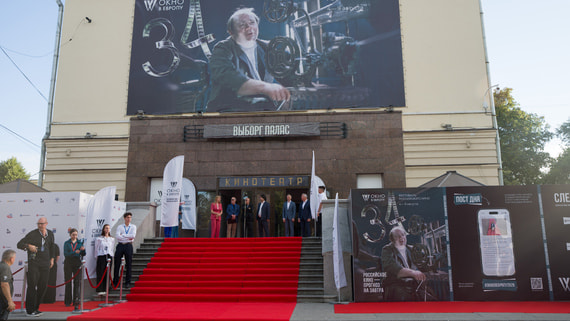

The chairman of the Federation Council Committee on Science and Culture has shared his perspectives on the importance of preserving historical monuments and the investments required to ensure their longevity. In recent statements, the senator emphasized that seeing cultural heritage sites actively used and maintained brings genuine satisfaction, highlighting the delicate balance between preservation and practical utilization that defines modern heritage conservation efforts.
The conversation around cultural heritage protection has gained significant momentum in recent years, as governments worldwide grapple with aging infrastructure, limited budgets, and the pressing need to maintain connections with the past. In Russia, where thousands of historical buildings, monuments, and archaeological sites span eleven time zones, the challenge is particularly acute. The country is home to over 140,000 registered cultural heritage objects, ranging from ancient Orthodox churches to Soviet-era architectural landmarks.
The Economics of Heritage Preservation
Investing in cultural heritage is not merely an exercise in nostalgia but represents a significant economic opportunity. Studies have consistently shown that well-maintained historical sites generate substantial tourism revenue, create employment opportunities, and contribute to local economic development. The restoration and maintenance of heritage buildings requires skilled craftspeople, architects, and conservators, supporting specialized industries that might otherwise disappear. According to international heritage organizations, every dollar invested in heritage preservation can generate up to four dollars in economic activity through tourism, employment, and related services.
The Russian government has allocated considerable resources to heritage preservation in recent years, though experts argue that more funding is needed to address the backlog of sites requiring urgent attention. Many regional monuments suffer from decades of deferred maintenance, with some structures at risk of irreversible damage without immediate intervention. The challenge is compounded by the sheer geographic scale of the country and the diverse range of preservation techniques required for different types of structures and materials.
Living Heritage: A Modern Approach
The concept of “living heritage” has emerged as a guiding principle in contemporary preservation philosophy. Rather than treating historical sites as frozen museums, this approach emphasizes adaptive reuse and community engagement. When cultural heritage objects remain active parts of daily life, whether as functioning churches, cultural centers, or commercial spaces, they develop constituencies invested in their continued preservation. This stands in contrast to the traditional model of heritage protection, which sometimes resulted in well-preserved but isolated monuments disconnected from contemporary society.
International best practices in heritage management increasingly emphasize the importance of integrating historical preservation with urban planning and sustainable development. Cities like Vienna, Prague, and Kyoto have demonstrated that protecting architectural heritage can coexist with modern economic development, creating unique urban environments that attract both residents and visitors. These examples offer valuable lessons for Russian cities seeking to balance preservation with growth.
Challenges and Future Directions
Despite progress in heritage protection, significant challenges remain. Climate change poses new threats to historical structures, with extreme weather events, flooding, and temperature fluctuations accelerating deterioration. Additionally, the shortage of trained conservation specialists represents a growing concern, as older experts retire without sufficient numbers of younger professionals entering the field. Educational institutions and government agencies are working to address this gap through specialized training programs and apprenticeships.
Looking ahead, technology offers promising tools for heritage preservation. Digital documentation, including 3D scanning and virtual reality reconstruction, allows for detailed records of historical sites that can aid restoration efforts and provide access to remote or fragile locations. These technologies also enable researchers to study heritage objects without physical contact, reducing wear and potential damage. The integration of traditional craftsmanship with modern conservation science represents the frontier of heritage protection, combining respect for historical authenticity with the durability that ensures these treasures survive for future generations.
Expert Opinion: The emphasis on “living heritage” reflects a broader global shift in preservation philosophy that prioritizes sustainable engagement over static protection. As funding constraints persist worldwide, the economic case for heritage investment will become increasingly central to policy decisions. Nations that successfully integrate heritage preservation with tourism development and community engagement will likely see the greatest returns on their cultural investments in the coming decades.