
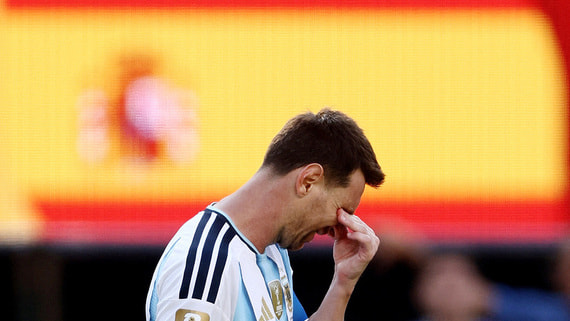
In a dramatic clash that will be remembered for years to come, Spain secured a hard-fought victory over Argentina in what proved to be an epic World Cup encounter. The match, which remained deadlocked through regulation time, was decided in extra time when Spanish forward Ferran Torres found the back of the net in the 106th minute. This solitary goal was enough to deny Argentina’s legendary captain Lionel Messi what would have been a second major international trophy, adding another chapter to the storied rivalry between these two footballing powerhouses.
Key Takeaways
- Ferran Torres scored the only goal in the 106th minute of extra time, breaking a deadlock that lasted through regulation
- Spain’s possession-based tactics eventually overwhelmed Argentina’s defense after both teams showed strong defensive discipline
- The defeat extends Lionel Messi’s wait for a second major international trophy despite standout individual performances throughout the tournament
- Spain’s systematic youth development approach continues producing players with shared tactical understanding and technical skills
- The match highlighted the philosophical contrast between Argentina’s individual brilliance and Spain’s collective passing game
The tension was palpable throughout the contest as both teams displayed tactical discipline and defensive resilience. Argentina, riding the momentum of Messi’s brilliant tournament performances, entered the match as slight favorites. However, Spain’s intricate passing game and relentless pressing gradually wore down the South American champions. The match showcased the contrasting styles that have defined these nations’ footballing identities: Argentina’s individual brilliance centered around Messi versus Spain’s collective, possession-based approach that has earned them the nickname “La Roja” or “La Furia Roja” (The Red Fury).
Torres Strikes in Extra Time to Clinch Spanish Victory
As the match entered extra time with the score still level, fatigue began to show on both sides. It was in this crucial period that Spain’s tactical superiority came to the fore. On the 106th minute, a perfectly orchestrated Spanish attack culminated in Ferran Torres receiving the ball in a dangerous position inside the Argentine penalty area. The Barcelona forward, known for his clinical finishing and intelligent movement, made no mistake, slotting the ball past the Argentine goalkeeper to send Spanish supporters into raptures. The goal represented the culmination of Spain’s patient buildup play and their refusal to abandon their passing philosophy even under immense pressure.
Torres’s decisive strike added to his growing reputation as a big-game player. The young forward, who has been a consistent performer for both club and country, demonstrated the composure and technique that has made him one of European football’s most promising talents. His goal not only secured victory for Spain but also denied Messi the chance to add another trophy to his illustrious collection, leaving Argentine fans heartbroken once again on the world stage.
Spain's Youth Development Pipeline Delivers Again
Spain’s victory represents another significant achievement in what has been a remarkable era for Spanish football. The nation’s golden generation, which dominated world football between 2008 and 2012 by winning two European Championships and a World Cup, set standards that current players continue to uphold. The Spanish football federation has invested heavily in youth development and coaching education, creating a conveyor belt of talented players who share a common tactical understanding and technical proficiency. This systematic approach to football development has ensured Spain remains competitive at the highest level.
The rivalry between Spain and Argentina carries significant historical weight. Both nations have produced some of football’s greatest players and have met numerous times in important tournaments. Argentina’s footballing tradition, built around legendary figures like Diego Maradona and now Messi, emphasizes individual creativity and flair. Spain’s approach, refined during the tiki-taka era under coaches like Luis Aragonés and Vicente del Bosque, prioritizes collective movement and ball retention. This latest encounter added another memorable chapter to their competitive history.
Messi's International Trophy Drought Continues
For Lionel Messi, widely regarded as one of the greatest footballers of all time, the defeat represents another painful near-miss in his quest for international silverware. Despite his unprecedented success at club level, where he has won multiple Champions League titles and countless domestic honors with Barcelona, major international trophies have proven more elusive. The Argentine maestro, now in the twilight of his career, continues to carry the weight of his nation’s expectations on his shoulders. His performances throughout the tournament had been exceptional, making Spain’s victory all the more bittersweet for Argentine supporters who had hoped this would finally be Messi’s moment of international glory.
The aftermath of the match saw Spanish players celebrating with their passionate supporters, while Argentine players consoled one another on the pitch. Football analysts praised Spain’s tactical discipline and their ability to execute their game plan under pressure. The victory reaffirmed Spain’s status as a major force in world football and demonstrated that their commitment to technical excellence and collective play remains as strong as ever. For the Red Fury, this triumph marks another proud chapter in their illustrious footballing history.
What This Result Means for Both Nations
This victory reinforces Spain’s position among world football’s elite and validates their continued investment in technical development over physical attributes. While many European nations have shifted toward more direct styles, La Roja’s commitment to possession football proved decisive against a formidable opponent. The emergence of Torres as a reliable big-game performer gives Spain a crucial element they sometimes lacked—a clinical finisher to complement their midfield control.
For Argentina, the defeat raises uncomfortable questions about tournament strategy. Relying heavily on Messi’s brilliance has produced spectacular moments but also creates vulnerability when opponents successfully neutralize him. With Messi now in the latter stages of his career, Argentine football authorities face pressure to develop a more sustainable tactical framework that doesn’t depend entirely on one player’s genius.
The broader implication is that systematic football development, exemplified by Spain’s academy structures and coaching education, continues to yield results at the highest level. Nations watching this match will note that Spain’s success stems from decades of strategic planning rather than simply assembling talented individuals.
Frequently Asked Questions
What minute did Ferran Torres score the winning goal against Argentina?
Torres scored in the 106th minute of extra time, breaking the deadlock after the match remained goalless through regulation. The goal came from a well-constructed Spanish passing move inside the Argentine penalty area.
Why is Spain called La Furia Roja?
La Furia Roja, meaning “The Red Fury” in Spanish, is the national team’s nickname referring to their red jerseys and passionate playing style. The shorter version La Roja (The Red) is also commonly used.
Has Messi won a major international trophy with Argentina?
According to the article, Messi was seeking what would have been his second major international trophy, indicating he has won one previously. The defeat extended his quest for additional international silverware despite his extensive club success.
Expert Opinion: This victory demonstrates Spain’s remarkable ability to maintain their tactical identity while adapting to modern football’s physical demands. The emergence of clinical finishers like Torres, combined with their traditional midfield dominance, suggests La Roja could be entering another golden period. For Messi and Argentina, time is running short, and this defeat may force a fundamental reassessment of their approach to major tournaments.