A new dramedy series has premiered on Amediateka, introducing viewers to Pasha — a 32-year-old Moscow resident who has somehow never quite mastered the art of being an adult. The show offers a sharp, often uncomfortable mirror to a generation caught between extended adolescence and the relentless pressures of modern adulthood. With its blend of humor and melancholy, “Pasha” joins a growing wave of television content exploring the quarter-life crisis phenomenon that has become increasingly prevalent in contemporary society.
Key Takeaways
- Amediateka’s new series follows a 32-year-old Muscovite unable to commit to career, relationships, or adult responsibilities despite recognizing his own patterns
- The show joins international hits like Fleabag and Girls in exploring ’emerging adulthood’ — a life stage psychologist Jeffrey Arnett identified as extending into the thirties
- Moscow functions as more than backdrop: dating apps, delivery services, and urban distractions enable Pasha’s avoidance behaviors
- The dramedy format balances genuine emotional pain with dark humor, avoiding both trivializing comedy and unbearable bleakness
- Critics praise the writing for making Pasha frustrating yet recognizable — someone who understands his problems intellectually but cannot escape them emotionally
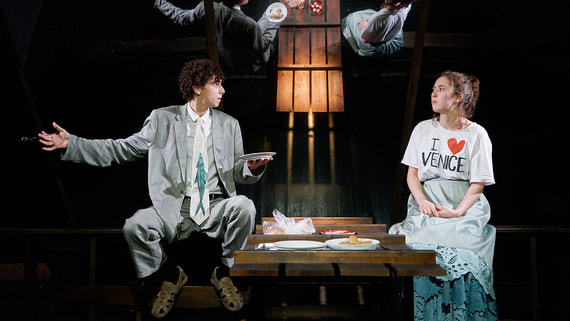
The series centers on its titular character, a man who at thirty-two still lives as though he were in his early twenties — avoiding commitment, drifting through relationships, and treating responsibility as something that happens to other people. His apartment is a monument to indecision, his career a series of false starts, and his romantic life a revolving door of partners who eventually tire of waiting for him to grow up. Yet beneath the comedic surface lies a deeper exploration of anxiety, fear of failure, and the paralysis that can grip those who feel overwhelmed by adult expectations.
Delayed Adulthood Stories Dominate Modern TV Lineups
“Pasha” arrives at a moment when stories about delayed adulthood have become a dominant theme in global entertainment. From the American series “Girls” to the British “Fleabag,” audiences have shown an appetite for narratives that acknowledge the messiness of growing up in the 21st century. Russian television has increasingly joined this conversation, producing content that resonates with young viewers who recognize themselves in characters struggling to meet traditional milestones — stable careers, marriage, homeownership — that previous generations achieved at younger ages.
Sociologists have documented this phenomenon extensively. The concept of “emerging adulthood,” first proposed by psychologist Jeffrey Arnett in 2000, describes a distinct life stage between adolescence and full adulthood, typically spanning ages 18 to 29 but often extending well into the thirties. Economic factors play a significant role: rising housing costs, job market instability, and the gig economy have made traditional markers of adulthood increasingly difficult to attain. In Russia specifically, economic turbulence over recent decades has created additional challenges for young people attempting to establish independent lives.
Moscow's Urban Landscape Mirrors Internal Stagnation
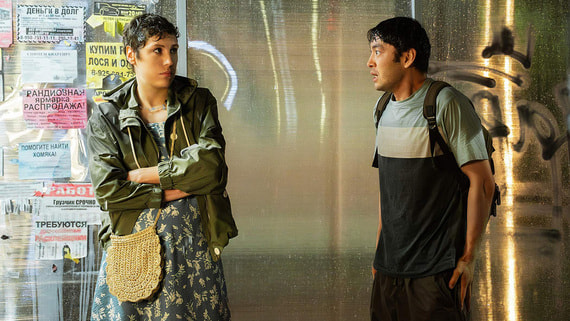
The show uses Moscow not merely as a backdrop but as an active participant in Pasha’s story. The city’s gleaming towers and bustling streets contrast sharply with the protagonist’s internal stagnation. Like many modern metropolises, Moscow offers endless distractions — dating apps, food delivery services, entertainment options — that make it possible to simulate a full life while avoiding genuine human connection and personal growth. Pasha navigates this landscape with the expertise of someone who has mastered the art of appearing busy while accomplishing nothing of substance.
This urban isolation resonates with viewers worldwide who recognize the paradox of feeling lonely in crowded cities. Digital connectivity has created new forms of social interaction that can substitute for — rather than supplement — meaningful relationships. Pasha’s story suggests that the very conveniences designed to make modern life easier may actually enable the avoidance patterns that keep people trapped in extended adolescence.
Why Dramedy Works for Quarter-Life Crisis Stories
The choice of dramedy as a format proves particularly effective for this material. Pure comedy might trivialize Pasha’s struggles, while straight drama could become unbearably bleak. The hybrid approach allows the show to acknowledge the genuine pain of feeling lost in life while maintaining the dark humor that makes such experiences survivable. This balance has become something of a signature for contemporary prestige television, following in the footsteps of shows like “Barry” and “BoJack Horseman” that blend existential crisis with genuine laughs.
Critics have noted that “Pasha” benefits from strong writing that avoids the trap of making its protagonist either entirely sympathetic or completely contemptible. He is frustrating precisely because he is recognizable — a person who knows what he should do but cannot seem to do it, trapped in patterns he intellectually understands but emotionally cannot escape. This nuanced characterization elevates the show beyond simple generational satire into something more universally human.
What This Series Signals for Russian Streaming
The premiere of Pasha reflects a broader shift in Russian streaming toward character-driven content that competes directly with Western prestige television. Rather than relying on genre conventions or spectacle, Amediateka is betting that domestic audiences want psychological complexity and generational specificity — the same formula that made Fleabag and BoJack Horseman international phenomena.
This approach targets millennials and Gen-Z viewers who increasingly reject traditional broadcast formats. Economic instability in Russia has delayed traditional milestones like homeownership and marriage for many young people, making Pasha’s arrested development resonate beyond mere comedy. The show’s willingness to explore anxiety and paralysis alongside humor suggests streaming platforms see value in authenticity over escapism.
The success or failure of Pasha will likely influence whether Russian platforms continue investing in introspective dramedies or retreat to safer genre fare. International streaming competition has raised audience expectations, and domestic productions now face pressure to match global quality standards while maintaining local relevance.
Common Questions
Where can I watch Pasha?
The series premiered on Amediateka, a Russian streaming platform. Availability in other regions may depend on licensing agreements with international distributors.
What is emerging adulthood?
A concept introduced by psychologist Jeffrey Arnett in 2000 describing a distinct developmental stage between adolescence and full adulthood, typically ages 18-29 but often extending into the thirties due to economic and social factors delaying traditional milestones.
Is Pasha similar to Fleabag or Girls?
The show shares thematic DNA with these series — all explore the messiness of modern adulthood through flawed protagonists. Pasha uses the dramedy format to balance humor with genuine emotional weight, similar to how Fleabag mixed comedy with grief and self-destruction.
Expert Opinion: “Pasha” represents a significant maturation in Russian streaming content, demonstrating that domestic productions can compete with international platforms in addressing universal themes with local specificity. The series likely signals continued investment in character-driven narratives targeting millennial and Gen-Z audiences who seek representation of their particular anxieties. Expect this trend toward introspective, psychologically complex dramedies to intensify as streaming services compete for younger demographics increasingly alienated by traditional television formats.