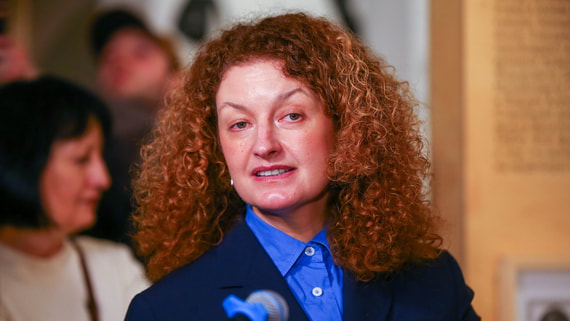
In a significant leadership change at one of Russia’s prominent cultural institutions, Anna Trapkova has announced her departure from the position of Director of the Museum of Moscow. Her successor will be Maria Balandina, a coach at the Skolkovo School of Management, marking a notable transition from traditional museum leadership to a management-focused approach at the helm of the capital’s main historical museum.
A Decade of Transformation Under Trapkova’s Leadership
Anna Trapkova’s tenure at the Museum of Moscow has been marked by substantial transformation and modernization efforts. Under her leadership, the museum underwent significant changes in its approach to presenting Moscow’s rich history to visitors. The Museum of Moscow, founded in 1896, holds one of the most comprehensive collections documenting the capital’s development from ancient times to the present day. During Trapkova’s time as director, the institution expanded its educational programs, launched numerous temporary exhibitions, and worked to make the museum more accessible to younger audiences through digital initiatives and interactive displays.
The museum complex, located in the historic Provision Warehouses on Zubovsky Boulevard, houses millions of artifacts that tell the story of Moscow’s evolution over centuries. Trapkova’s administration focused on transforming these spaces into dynamic cultural venues that could compete with modern entertainment options while preserving their educational mission. Her efforts included collaborations with contemporary artists, urban researchers, and historians to create exhibitions that resonated with modern audiences while honoring the city’s heritage.
New Leadership Brings Corporate Management Expertise
Maria Balandina’s appointment represents an interesting shift in the museum’s leadership philosophy. As a coach at the prestigious Skolkovo School of Management, Balandina brings extensive experience in corporate leadership, strategic planning, and organizational development. The Skolkovo School of Management, established in 2006, has become one of Russia’s leading business education institutions, known for its innovative approaches to leadership training and executive development. Balandina’s background suggests that the museum may be entering a new phase focused on operational efficiency, strategic partnerships, and potentially new business models for cultural institutions.
This appointment follows a broader trend in the cultural sector where institutions increasingly seek leaders with strong management credentials alongside traditional curatorial expertise. Museums worldwide have faced mounting pressure to diversify revenue streams, attract new audiences, and operate more efficiently while maintaining their core educational and preservation missions. Balandina’s experience in coaching executives and developing leadership skills could prove valuable as the Museum of Moscow navigates the complex landscape of modern cultural institution management.
Challenges and Opportunities Ahead
The Museum of Moscow faces both significant challenges and exciting opportunities in the coming years. Like cultural institutions globally, Russian museums have had to adapt to changing visitor expectations, digital transformation demands, and evolving funding landscapes. The new director will need to balance the preservation of Moscow’s irreplaceable historical collections with the imperative to innovate and remain relevant to contemporary audiences. The museum’s collection includes rare photographs, documents, archaeological findings, and everyday objects that chronicle Moscow’s transformation from a medieval fortress town to one of the world’s great metropolises.
Additionally, the museum plays a crucial role in urban identity formation, helping residents and visitors understand the layers of history that make Moscow unique. Under new leadership, the institution may explore fresh approaches to storytelling, potentially leveraging Balandina’s management expertise to forge new partnerships with educational institutions, technology companies, and other cultural organizations. The transition also raises questions about the balance between professional museum expertise and business acumen in leading cultural institutions, a debate that continues in museum circles worldwide as institutions seek to remain financially sustainable while fulfilling their cultural mandates.
Expert Opinion: The appointment of a Skolkovo-trained management professional to lead a major cultural institution signals a broader shift in how Russian authorities view museum administration—increasingly as enterprises requiring sophisticated business strategies rather than purely academic endeavors. This transition could herald innovative revenue models and operational efficiencies, though success will ultimately depend on maintaining the delicate balance between commercial viability and the museum’s fundamental mission of preserving and interpreting Moscow’s cultural heritage for future generations.