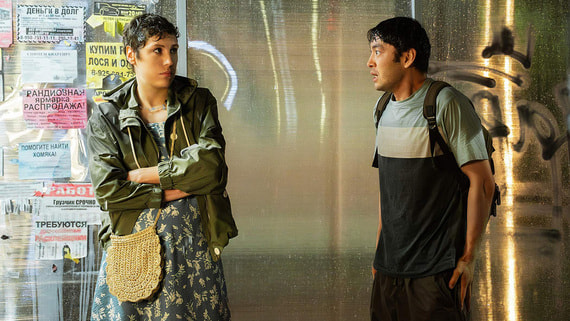
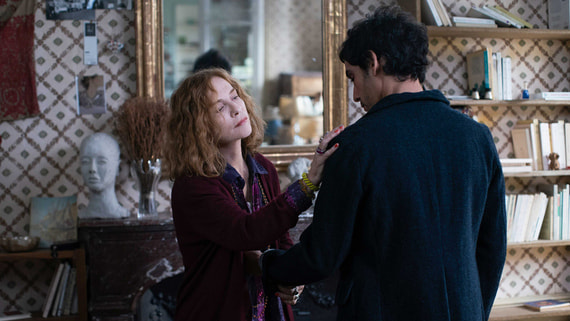
Acclaimed Iranian filmmaker Asghar Farhadi has returned to theaters with his latest cinematic offering, a thought-provoking exploration of observation, creativity, and the blurred boundaries between watching and participating in others’ lives. The new film delves into the compelling theme of voyeurism as a source of artistic inspiration, examining how glimpsing into the private moments of strangers through a window can spark profound creative impulses. Farhadi, known for his nuanced psychological dramas, once again demonstrates his mastery of intimate storytelling that resonates with universal human experiences.
The Master of Moral Complexity Returns
Asghar Farhadi has established himself as one of the most significant filmmakers of the 21st century, earning two Academy Awards for Best International Feature Film with “A Separation” in 2012 and “The Salesman” in 2017. His work consistently explores the intricate moral dilemmas that ordinary people face, often centering on family dynamics, class tensions, and the weight of secrets. The director’s storytelling approach typically avoids clear-cut heroes and villains, instead presenting characters whose motivations are understandable even when their actions are questionable. This latest project continues that tradition, using the metaphor of watching through windows to examine how we construct narratives about the people around us.
The concept of voyeurism in cinema has a rich and storied history, perhaps most famously explored in Alfred Hitchcock’s 1954 masterpiece “Rear Window,” where James Stewart’s wheelchair-bound photographer becomes obsessed with observing his neighbors. Farhadi’s new work appears to build upon this legacy while adding his distinctive contemporary perspective on privacy, observation, and the ethical implications of watching others without their knowledge. The film raises profound questions about the nature of inspiration itself – whether observing real human drama makes art more authentic or whether it represents an invasion of the sacred space of private life.
Themes of Observation and Artistic Creation
The film’s central premise – using voyeurism as creative fuel – touches on fundamental questions about the artistic process. Throughout history, artists have drawn inspiration from observing the world around them, from the Impressionists who captured fleeting moments of Parisian life to contemporary photographers who document candid street scenes. However, there exists an ethical tension between artistic observation and invasion of privacy that becomes increasingly relevant in our surveillance-saturated modern world. Farhadi’s exploration of these themes arrives at a particularly pertinent moment, as society grapples with questions about privacy, consent, and the boundaries between public and private life in the digital age.
Film critics have noted that Farhadi possesses a remarkable ability to create tension through dialogue and character interaction rather than relying on conventional thriller techniques. His films often unfold like carefully constructed puzzles, where each scene adds new layers of meaning and moral complexity. The director’s Iranian heritage and his experience navigating creative expression within a restrictive cultural environment have given his work a distinctive depth, as he expertly portrays characters trapped between tradition and modernity, between personal desires and societal expectations. This new release promises to continue his exploration of these liminal spaces where human relationships become both beautiful and dangerously fragile.
Critical Reception and Cultural Impact
Early reviews of the film suggest that Farhadi has once again crafted a work that will spark considerable discussion among audiences and critics alike. His ability to create universally relatable stories despite their specific cultural settings has made him a favorite at international film festivals, including Cannes, Berlin, and Venice. The director’s previous works have been praised for their screenplay construction, often revealing information in ways that constantly shift audience sympathies and understanding. Industry observers anticipate that this latest offering will continue Farhadi’s tradition of challenging viewers to examine their own assumptions and moral frameworks while providing compelling entertainment.
As cinema continues to evolve in the streaming era, theatrical releases by auteur filmmakers like Farhadi represent important cultural events that remind audiences of the power of the big-screen experience. The film invites viewers to consider their own roles as observers – not just of the characters on screen, but of the people in their own lives whose stories they witness, interpret, and perhaps unconsciously transform into personal narratives. In an age when everyone has become both watcher and watched, Farhadi’s meditation on the gaze feels both timely and timeless.
Expert Opinion: Farhadi’s continued exploration of moral ambiguity positions him as perhaps the most important living chronicler of contemporary ethical dilemmas in cinema. This latest work appears to signal his evolution toward more meta-textual commentary on the nature of storytelling itself, suggesting that his future projects may increasingly examine the relationship between observer and observed in our increasingly surveilled society.