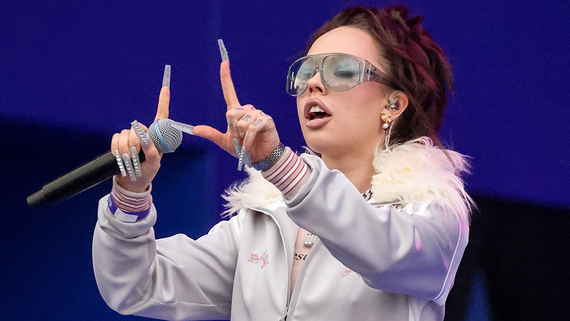
In a surprising announcement that has sent shockwaves through the Russian entertainment industry, popular rapper Instasamka has declared that she is leaving both the Russian show business scene and the country itself. The controversial artist, whose real name is Darya Zorina, stated that she has no plans to return and intends to pivot her career toward creating music in English for international audiences. This announcement marks a significant moment in the ongoing exodus of Russian entertainers who have chosen to distance themselves from their homeland amid various political and social pressures.
A Rising Star’s Dramatic Exit
Instasamka rose to prominence in the late 2010s as one of Russia’s most provocative and commercially successful female rappers. Known for her explicit lyrics, bold fashion choices, and unapologetic persona, she built a massive following on social media platforms, particularly Instagram, which inspired her stage name. Her music videos regularly accumulated millions of views, and her concerts sold out across major Russian cities. The rapper became a polarizing figure in Russian pop culture, celebrated by younger audiences for her rebellious attitude while drawing criticism from conservative commentators and government officials who viewed her content as inappropriate.
Her decision to leave Russia follows a pattern seen among numerous Russian artists, intellectuals, and public figures who have relocated abroad in recent years. The entertainment industry in Russia has faced increasing scrutiny and regulation, with authorities cracking down on content deemed to violate traditional values or national interests. Several prominent musicians, actors, and comedians have either voluntarily departed or faced pressure to leave due to their political statements or artistic expression that conflicted with official narratives.
Transitioning to the International Stage
The rapper’s stated intention to create music in English represents an ambitious pivot that many Russian artists have attempted with varying degrees of success. Breaking into Western music markets presents significant challenges, including language barriers, cultural differences, and the need to build an entirely new fan base. However, several Eastern European artists have successfully made this transition in recent years, finding audiences in both Europe and North America. Instasamka’s existing social media presence and distinctive style could potentially help her establish a foothold in international markets, though she will face stiff competition in the crowded global hip-hop landscape.
Industry analysts note that Russian-speaking artists who relocate abroad often continue to maintain connections with their diaspora audiences, which have grown substantially in cities like Dubai, Istanbul, Tel Aviv, and various European capitals. This expatriate community provides a built-in market for artists transitioning away from Russia, offering concert opportunities and streaming revenue while they work to expand their reach to non-Russian speaking audiences. The global Russian-speaking diaspora numbers in the tens of millions, creating a significant market that exists largely outside the regulatory reach of Russian authorities.
The Broader Context of Cultural Migration
Instasamka’s departure reflects broader trends affecting Russian culture and entertainment. Since 2022, the Russian creative industries have experienced significant brain drain, with numerous talented individuals choosing to pursue their careers abroad. This migration has affected not only musicians but also filmmakers, writers, tech entrepreneurs, and other creative professionals. The long-term implications for Russian popular culture remain uncertain, though some observers suggest that this exodus could fundamentally reshape the country’s entertainment landscape for years to come.
For fans of the artist, this announcement raises questions about the future availability of her music in Russia and whether she will continue to engage with her Russian-speaking audience. Artists who have left Russia have adopted various approaches, with some continuing to release Russian-language content while others have completely pivoted to new markets and languages. Instasamka’s explicit statement about creating English-language music suggests she intends to make a clean break, though the realities of the music industry often lead to more nuanced outcomes than initial announcements suggest.
Expert Opinion: This departure signals a continuing fragmentation of Russia’s entertainment ecosystem, as commercially successful artists increasingly view international markets as more viable for long-term career growth. Instasamka’s transition to English-language music will be a crucial test case for whether Russian hip-hop artists can successfully cross over to Western audiences, potentially paving the way for others considering similar moves.