
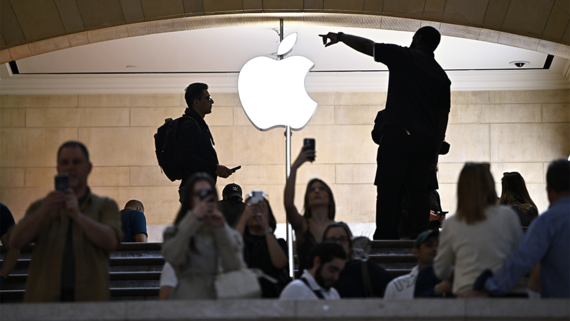
Apple Inc. experienced a notable decline in its market capitalization this week following the company’s announcement of price increases across its iPad and Mac product lines. The tech giant, which recently reclaimed its position as the world’s most valuable publicly traded company, saw investors react cautiously to the pricing strategy shift that comes amid ongoing global economic uncertainties and trade tensions. However, market analysts suggest this represents a temporary correction rather than the beginning of a sustained downward trend.
Price Adjustments Reflect Tariff Pressures and Supply Chain Costs
The price increases announced by Apple affect several key products in its hardware lineup, including various iPad models and Mac computers. Industry observers note that these adjustments likely reflect the mounting pressure from tariffs and increased manufacturing costs that have affected the entire technology sector. Apple, like many American technology companies, relies heavily on manufacturing operations in Asia, particularly in China, where the majority of its devices are assembled. The ongoing trade disputes between the United States and China have created a complex landscape for companies dependent on global supply chains.
Apple has historically maintained premium pricing for its products, positioning itself at the luxury end of the consumer electronics market. However, the company has typically absorbed cost increases rather than passing them directly to consumers. This latest move suggests that the financial pressures have reached a point where maintaining previous price points became untenable. The decision affects consumers worldwide, though the impact varies by region depending on local currency fluctuations and existing tax structures.
Market Reaction and Investor Sentiment
The stock market’s response to Apple’s pricing announcement was swift, with shares declining and triggering a reduction in the company’s overall market capitalization. Apple’s market value, which has fluctuated between $2.5 trillion and $3 trillion in recent months, remains among the highest of any publicly traded corporation globally. The company has been in a close race with Microsoft and other tech giants for the top position in terms of market capitalization throughout 2024 and into 2025.
Financial experts emphasize that such corrections are common for major technology stocks, particularly when companies announce changes that could potentially impact consumer demand. The concern among some investors centers on whether higher prices might dampen sales volumes, especially in markets where economic conditions have made consumers more price-sensitive. Apple’s ecosystem strategy, which creates strong loyalty among existing users, typically provides some insulation against price-related demand drops, but the degree of that protection in the current economic environment remains to be seen.
Historical Context and Long-term Outlook
Apple has weathered numerous market corrections throughout its history, including significant drops during the 2008 financial crisis, various product cycle transitions, and more recently during the COVID-19 pandemic’s initial market shock. In each instance, the company demonstrated resilience, largely due to its diversified product portfolio, growing services revenue, and strong brand loyalty. The services segment, which includes the App Store, Apple Music, iCloud, and Apple TV+, has become an increasingly important revenue stream, now accounting for over 20% of the company’s total revenue.
Analysts point to Apple’s robust cash reserves, which exceed $150 billion, as a significant buffer against short-term market volatility. The company’s ability to continue investing in research and development, pursue strategic acquisitions, and return value to shareholders through dividends and stock buybacks provides multiple pathways for maintaining investor confidence. Furthermore, upcoming product launches, including anticipated updates to the iPhone lineup and potential new product categories in augmented reality, could serve as catalysts for renewed stock appreciation.
The broader technology sector has faced headwinds in recent months, with concerns about artificial intelligence valuations, regulatory pressures, and global economic uncertainty affecting multiple companies. Apple’s situation should be viewed within this context rather than as an isolated event. Consumer electronics companies across the board have grappled with similar challenges related to tariffs, component costs, and shifting demand patterns. As the global economy continues to navigate these complexities, Apple’s fundamental strength and market position suggest that the current correction represents a temporary adjustment rather than a fundamental shift in the company’s trajectory.
Expert Opinion: While the immediate market reaction to Apple’s price increases reflects legitimate concerns about consumer demand elasticity, the company’s unparalleled ecosystem lock-in and brand premium historically allow it to weather pricing adjustments better than competitors. Investors should monitor the upcoming quarterly results closely for actual sales volume impacts, but Apple’s diversified revenue streams and massive cash position make a sustained decline unlikely unless broader macroeconomic conditions deteriorate significantly.