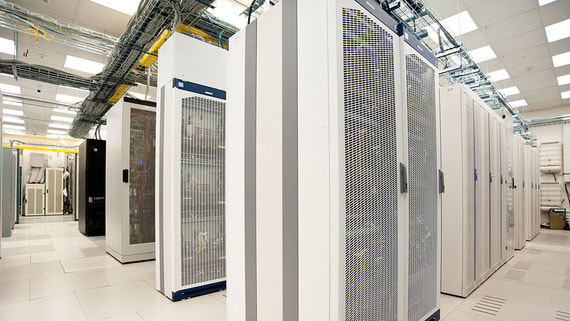
Russia is implementing a new national classification system for data centers that distinguishes itself from international standards by incorporating strict physical security requirements. This development marks a significant shift in how the country approaches critical digital infrastructure assessment, reflecting growing concerns about data sovereignty and the protection of sensitive information assets. The new framework aims to establish clear reliability tiers while addressing security vulnerabilities that existing global standards may overlook.
The initiative comes at a time when Russia has been actively working to strengthen its digital independence and reduce reliance on foreign technology infrastructure. Data centers serve as the backbone of modern digital economies, housing servers that process everything from financial transactions and government services to social media platforms and e-commerce operations. As cyber threats become increasingly sophisticated and geopolitical tensions affect technology supply chains, establishing robust domestic standards has become a national priority.
Key Differences from International Standards
The most notable departure from internationally recognized classification systems, such as the widely used Uptime Institute Tier Standard, is the explicit inclusion of physical security criteria in Russia’s new framework. International standards typically focus primarily on infrastructure reliability metrics including power redundancy, cooling systems, and uptime guarantees. The Russian approach expands this scope to encompass comprehensive physical protection measures, acknowledging that data center security extends beyond digital firewalls and software protections.
Physical security requirements in the new classification may include specifications for perimeter protection, access control systems, surveillance infrastructure, and protection against natural disasters or deliberate attacks. This holistic approach reflects lessons learned from various incidents globally where physical breaches compromised otherwise technically sound facilities. Industry analysts note that integrating physical security into reliability classifications creates a more complete picture of facility resilience and trustworthiness for potential clients and government agencies.
Strategic Implications for Russian Digital Infrastructure
The development of a national classification standard carries significant implications for Russia’s growing data center industry. Recent years have seen substantial investment in domestic data processing capabilities, driven partly by data localization laws requiring certain categories of Russian citizen data to be stored within national borders. A standardized classification system provides clearer guidelines for operators seeking to meet regulatory requirements and attract enterprise clients who demand verified reliability levels.
The data center market in Russia has experienced considerable growth, with major facilities concentrated around Moscow and St. Petersburg, though regional expansion continues. Establishing clear national standards could accelerate this growth by providing investors and operators with defined benchmarks for construction and operation. Furthermore, domestic classification criteria may influence procurement decisions by government agencies and state-controlled enterprises, potentially favoring facilities that meet Russian-specific requirements over those certified only under international standards.
Industry Response and Future Outlook
Data center operators and industry associations are expected to adapt their facilities and certification processes to align with the new requirements. The transition period will likely require significant investment in security upgrades for existing facilities, while new construction projects can incorporate requirements from the design phase. Technical experts suggest that the dual focus on reliability and security could ultimately strengthen the overall quality of Russia’s data center ecosystem, even as it creates additional compliance burdens for operators.
Looking ahead, the classification system may evolve to address emerging challenges including energy efficiency standards, environmental sustainability metrics, and resilience against new categories of threats. As digital transformation accelerates across Russian industries, the demand for certified, secure data processing facilities will continue growing. The new classification framework positions Russia to meet these demands while maintaining sovereignty over critical digital infrastructure assessment and certification processes.
Expert Opinion: The introduction of physical security requirements into data center classification reflects a broader global trend toward comprehensive infrastructure protection standards. As nation-states increasingly view data centers as critical infrastructure equivalent to power plants or telecommunications networks, we can expect other countries to develop similar hybrid classification systems. Russia’s approach may serve as a model for emerging markets seeking to balance international interoperability with national security priorities, potentially fragmenting global data center standards along geopolitical lines.