
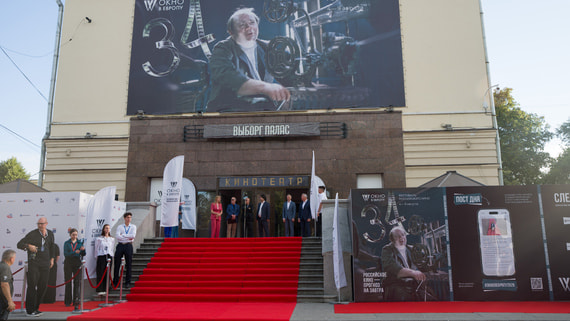
The annual “Window to Europe” film festival, one of Russia’s most prestigious regional cinema showcases, concluded its 2026 edition with a surprising twist that highlighted the evolving landscape of Russian filmmaking. While genre films dominated the competition program with an impressive array of horror comedies and tragicomic tales, the jury ultimately awarded the top prize to a poignant coming-of-age drama exploring the bittersweet emotions of childhood’s final summer. This decision sparked conversations about the balance between commercial appeal and artistic merit in contemporary Russian cinema.
The festival, traditionally held in Vyborg, a historic city near the Finnish border, has long served as a launching pad for emerging talent and experimental works that might otherwise struggle to find audiences in mainstream theatrical distribution. This year’s program demonstrated a clear shift toward genre filmmaking, with numerous entries blending horror elements with comedy or presenting dramatic narratives through an ironic, darkly humorous lens. Industry observers noted that this trend reflects broader changes in audience preferences and production strategies across the Russian film industry.
Genre Films Dominate the Competition
The 2026 competition lineup featured an unprecedented concentration of hybrid genre works, with filmmakers increasingly experimenting with tonal combinations that would have seemed unconventional just a decade ago. Horror comedies, once considered a niche subgenre, emerged as a dominant force, with several entries earning strong audience reactions and critical attention. These films typically combined supernatural or psychological horror elements with sharp social satire, using laughter as a vehicle for exploring deeper anxieties about contemporary life. Similarly, what organizers described as “sad comedies” offered melancholic narratives wrapped in comedic packaging, addressing themes of loss, displacement, and social alienation while maintaining an accessible, often absurdist tone.
Film critics attending the festival noted that this genre-blending approach represents a maturation of Russian commercial cinema, which has historically struggled to compete with Hollywood productions in domestic markets. By developing distinctive genre combinations that resonate with local audiences and cultural contexts, Russian filmmakers are carving out creative territory that international productions cannot easily replicate. The festival programming committee acknowledged this trend, explaining that submissions this year showed remarkable diversity and willingness to take creative risks within genre frameworks.
A Drama About Childhood’s End Takes the Prize
Despite the overwhelming presence of genre films, the jury’s decision to award the top prize to a straightforward drama about the last summer of childhood surprised some observers while delighting others who championed traditional storytelling. The winning film reportedly captures the liminal moment between childhood innocence and adolescent awareness through the experiences of young protagonists facing inevitable changes in their family and social circumstances. Critics praised the film’s sensitive direction, naturalistic performances from its young cast, and cinematography that evokes the golden, slightly melancholic quality of memories being formed in real-time.
The jury’s choice reflects an ongoing tension within film festival culture between recognizing popular entertainment and honoring artistic achievement. While genre films demonstrated technical proficiency and audience engagement, the winning drama apparently offered the kind of emotional depth and thematic resonance that traditionally earns festival recognition. Industry analysts suggested this outcome might encourage filmmakers to pursue both paths simultaneously, developing genre projects for commercial viability while maintaining personal artistic endeavors for festival circuits and critical recognition.
The Festival’s Continuing Legacy
The “Window to Europe” festival has operated for over three decades, establishing itself as a crucial platform for Russian cinema that bridges regional production with national and international recognition. Named for Peter the Great’s famous description of St. Petersburg as Russia’s gateway to Western culture, the festival has historically emphasized works that engage with European artistic traditions while maintaining distinctly Russian perspectives. This year’s edition continued that mission while adapting to contemporary realities of film production and distribution, including increased attention to streaming platforms and digital distribution channels that have transformed how audiences discover and consume independent cinema.
Looking ahead, festival organizers indicated plans to expand programming that addresses the growing intersection of genre filmmaking and auteur cinema. The success of this year’s genre-heavy lineup, combined with the critical recognition of more traditional dramatic work, suggests that Russian cinema is entering a period of creative diversification that could yield internationally competitive productions across multiple categories. As the industry continues recovering from recent economic challenges and adapting to changing distribution models, festivals like “Window to Europe” remain essential for nurturing talent and connecting filmmakers with engaged audiences seeking alternatives to mainstream entertainment.
Expert Opinion: The 2026 “Window to Europe” results signal a healthy creative tension in Russian cinema between commercial genre experimentation and traditional dramatic storytelling. This dual-track development suggests the industry is building sustainable foundations for both domestic market success and international festival recognition, potentially positioning Russian filmmakers for greater global visibility in coming years as streaming platforms increasingly seek diverse regional content.