
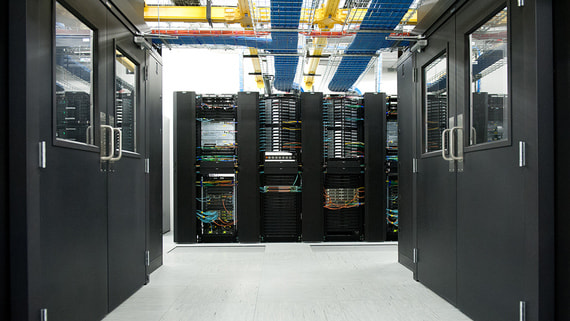
Major players in Russia’s data center industry have raised concerns with Moscow Region authorities regarding significant increases in land lease rates. According to industry representatives, the sharp rise in rental costs could substantially impact the pace of data center construction in one of Russia’s most strategically important regions for digital infrastructure development. The complaints highlight growing tensions between commercial interests and regional fiscal policies at a time when Russia is actively working to expand its domestic digital capabilities.
The data center sector has become increasingly critical to Russia’s technological sovereignty goals, particularly following Western sanctions that have complicated access to international cloud services and data storage solutions. Moscow Region, with its proximity to the capital and well-developed infrastructure, has traditionally been one of the most attractive locations for data center construction in the country. However, the reported rent increases threaten to undermine these competitive advantages and potentially redirect investment to other regions.
Industry Concerns and Economic Impact
Industry experts warn that escalating land lease costs could have far-reaching consequences for Russia’s digital infrastructure development. Data centers require substantial upfront investments, with construction projects typically spanning several years before becoming operational. The facilities demand significant land plots to accommodate not only server halls but also power substations, cooling systems, and security perimeters. Any increase in baseline operational costs, including land rent, directly affects project feasibility calculations and investor confidence.
According to market analysts, the Russian data center market has been experiencing steady growth, driven by increasing demand for cloud services, data localization requirements under Russian law, and the expansion of e-commerce and digital services. The average cost of building a data center in Russia ranges from several hundred million to billions of rubles, depending on capacity and specifications. Additional financial burdens from increased rent could push some projects beyond acceptable profitability thresholds, particularly for smaller operators who lack the capital reserves of major industry players.
Regional Competition and Investment Climate
The situation in Moscow Region reflects broader challenges facing Russia’s data center industry as it seeks to balance rapid expansion with economic realities. Other Russian regions, including the Leningrad Oblast, Tatarstan, and various locations in Siberia, have been actively courting data center investments with competitive land policies and energy rates. Some regions offer preferential treatment for technology projects, including reduced tax rates and streamlined permitting processes. If Moscow Region’s cost structure becomes significantly less attractive, developers may redirect their investments to these alternative locations.
Historical precedent suggests that data center location decisions are highly sensitive to operational costs. Energy expenses and land costs represent major components of long-term operational budgets, sometimes accounting for more than half of ongoing expenses. The industry has previously seen projects relocated or cancelled due to unfavorable economic conditions. Russian authorities at the federal level have emphasized the strategic importance of domestic data processing capabilities, making regional policies that hinder development potentially at odds with national priorities.
Path Forward and Industry Recommendations
Industry representatives are calling on Moscow Region authorities to reconsider the rent increases or implement compensatory measures that would preserve the region’s attractiveness for data center investments. Proposed solutions include long-term lease rate stabilization agreements, tax incentives for qualifying projects, and expedited permitting for facilities meeting certain technical standards. Some experts suggest that the government should consider the broader economic benefits of data center presence, including job creation, tax revenue from operations, and spillover effects for related industries.
The outcome of these negotiations could set important precedents for how Russian regions approach technology infrastructure development. As the country continues its digital transformation efforts and seeks to reduce dependence on foreign technology services, maintaining an investment-friendly environment for critical infrastructure becomes increasingly important. The balance between regional revenue generation and strategic infrastructure development remains a delicate policy challenge requiring careful consideration of both short-term fiscal needs and long-term technological goals.
Expert Opinion: The dispute between data center operators and Moscow Region authorities reflects a fundamental tension in Russia’s digital infrastructure strategy. While regional governments seek to maximize revenue from valuable land resources, the strategic imperative of building domestic data processing capacity may ultimately require federal intervention to establish standardized preferential terms for critical digital infrastructure projects. The resolution of this conflict will likely influence investment patterns across Russia’s technology sector for years to come.